Managing Calcium and Vitamin D After Menopause: Evidence-Based Nutritional Strategies for Bone Density
Part of Perimenopause Nutrition: A Comprehensive Guide to Adapting Your Diet for Hormonal Transition
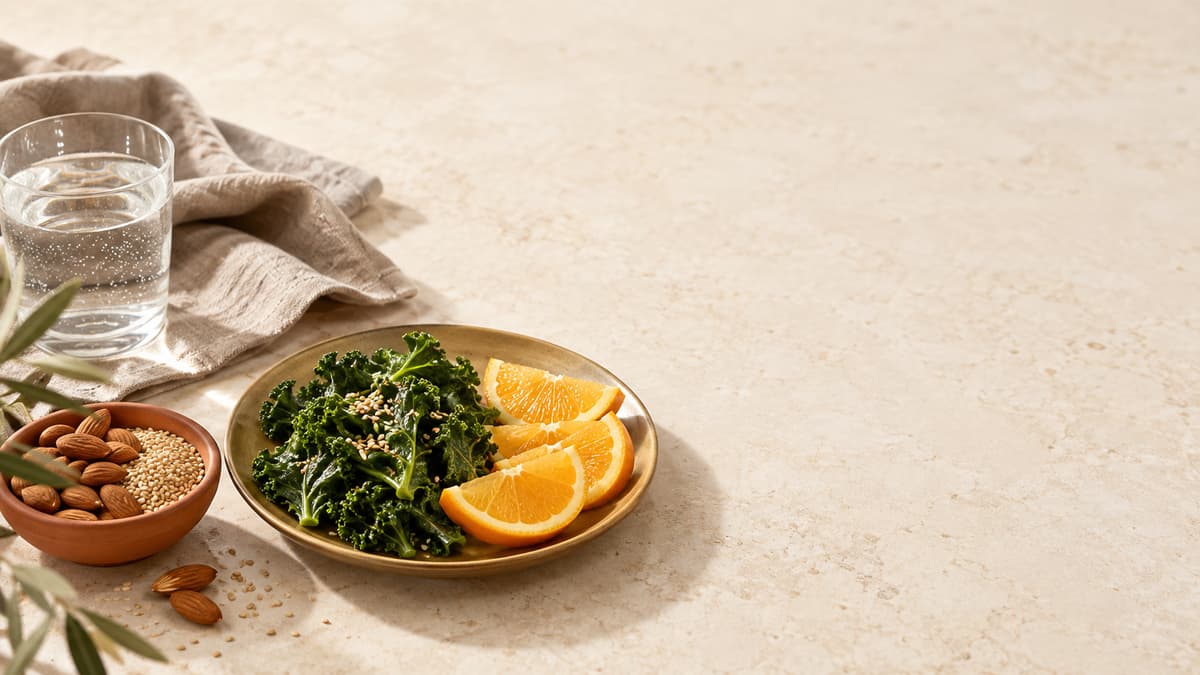
Calcium and vitamin d after menopause are critical for maintaining bone mineral density as estrogen levels decline. Prioritizing nutrient-dense foods and evidence-based supplementation ensures the body has the necessary building blocks to protect skeletal integrity, reduce the risk of fractures, and support long-term physical performance and longevity.
Who Struggles With Mineral Balance After Menopause?
This challenge primarily affects adults transitioning through perimenopause and menopause, specifically those experiencing the physiological shifts associated with declining hormone levels. As the body changes, the ability to maintain bone mass decreases, making the strategic intake of specific minerals and vitamins essential for those seeking to maintain high performance and overall longevity.
The Long-Term Cost of Neglecting Bone Health
Ignoring the synergy between calcium and vitamin d after menopause can lead to a progressive decline in bone mineral density, which significantly increases the risk of fragility fractures. For high-performing adults, this doesn't just mean a risk of injury; it means a potential loss of mobility, decreased physical independence, and a decline in the ability to maintain an active lifestyle. When skeletal health is compromised, the body's overall resilience drops, making it harder to protect against noncommunicable diseases (NCDs) such as heart disease or stroke, as general malnutrition and frailty often correlate. The "cost" is a reduction in the quality of life and a compromise of the long-term health goals that evidence-based nutrition is designed to protect.
How to Optimize Calcium and Vitamin D Intake for Skeletal Longevity
Prioritize Bioavailable Calcium Sources
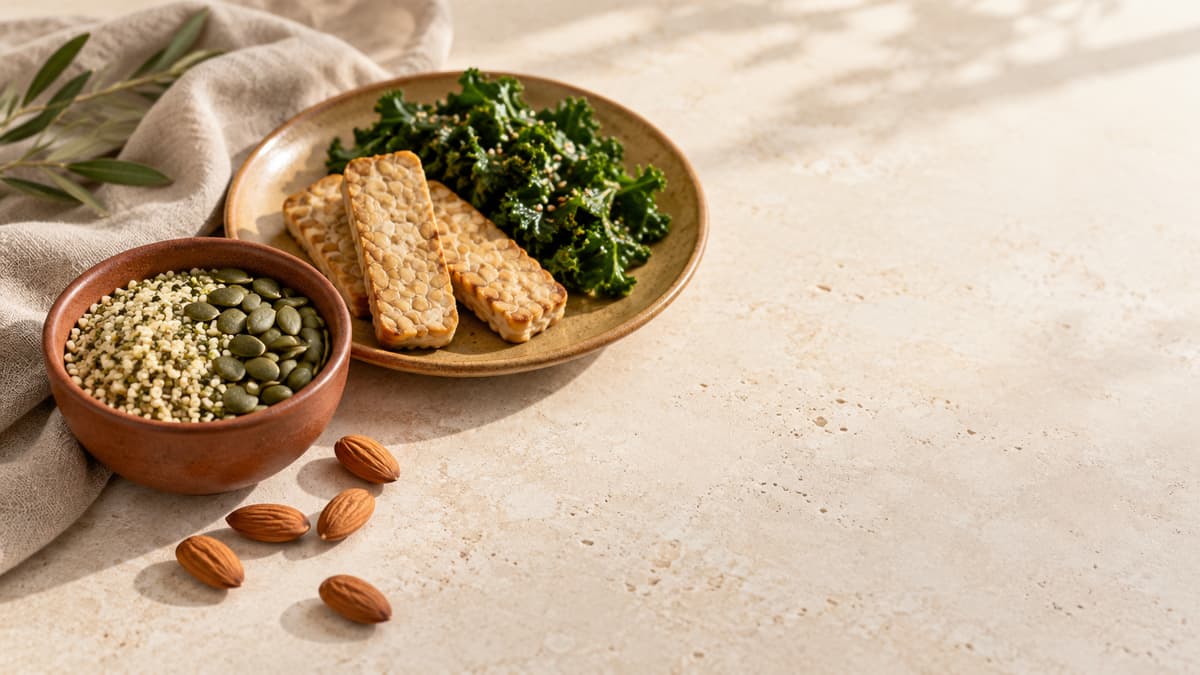
The foundation of bone health is ensuring a steady supply of calcium, but the source matters for absorption. Incorporating a variety of calcium-rich foods—such as leafy greens, fortified plant-based milks, and dairy—provides the body with the minerals needed to sustain bone matrix strength. This movement is not just about the mineral itself, but about how nutrition adapts as your body changes to meet new demands. By focusing on nutrient density, you protect against malnutrition in all its forms, which is a key component of preventing chronic illness. For a broader understanding of how to shift your overall eating patterns during this transition, you can explore perimenopause nutrition and dietary adaptation to see how mineral intake fits into a larger hormonal strategy.
Optimize Vitamin D for Calcium Absorption
Calcium cannot be effectively utilized by the body without sufficient vitamin D, which acts as the key to unlocking calcium absorption in the gut. Without this synergy, even high calcium intake can be wasted, or worse, pulled from the bones to maintain blood levels. Ensuring adequate vitamin D through safe sun exposure or targeted supplementation is a tactical necessity for longevity. This biological requirement is part of the personalized support needed during menopause to maintain energy and body composition. If you are noticing changes in how your body stores fat or manages energy, it may be useful to analyze stomach weight gain in perimenopause to see if metabolic shifts are complicating your nutritional needs.
Integrate Melatonin for Bone and Sleep Support
Recent clinical evidence suggests that the relationship between sleep and bone health is more direct than previously thought. A 2026 systematic review and meta-analysis of randomized controlled trials investigated the effects of melatonin supplementation on bone mineral density, quality of life, and sleep in menopausal women, indicating that melatonin may play a supportive role in both skeletal integrity and sleep quality. This is particularly relevant because poor sleep can exacerbate the hormonal imbalances that lead to bone loss. Addressing sleep as a pillar of bone health allows for a more holistic approach to longevity. To move from this theoretical understanding to a daily routine, you can implement hormonal nutrition actions that synchronize your nutrient intake with your circadian rhythm.
Balance Mineral Ratios with Magnesium and Vitamin K2
Calcium does not work in isolation; it requires a supporting cast of minerals to ensure it reaches the bones rather than depositing in the arteries. Magnesium helps regulate calcium transport, while Vitamin K2 directs calcium into the bone matrix. Neglecting these co-factors can lead to inefficient mineral use. This level of precision is what separates generic advice from evidence-based nutrition for performance. Maintaining these ratios helps protect the cardiovascular system while strengthening the skeleton. Since muscle mass also plays a role in protecting bones from impact, it is critical to determine adequate protein intake to ensure the musculoskeletal system is supported from all angles.
Implement Weight-Bearing Mechanical Loading
Nutrition provides the raw materials, but mechanical stress tells the body where to use them. Weight-bearing exercises and resistance training create the necessary signal for the body to incorporate calcium and vitamin d after menopause into the bone structure. Without this physical stimulus, the biological drive to maintain density is diminished. Combining a mineral-rich diet with strategic movement is the gold standard for longevity. This synergy ensures that the personalized support for menopause translates into actual physical resilience. For those starting a new movement regime, reviewing the comprehensive guide to hormonal transition can help align your caloric intake with your increased activity levels.
Monitor Inflammation and Pro-Inflammatory Foods
Chronic inflammation can interfere with bone remodeling by overstimulating osteoclasts, the cells that break down bone. A diet high in refined sugars and ultra-processed fats can create an inflammatory environment that undermines the benefits of calcium and vitamin d. By shifting toward a diet that protects against noncommunicable diseases—including diabetes and heart disease—you create an internal environment where bone-building nutrients can thrive. Reducing inflammation is essential for maintaining energy and long-term health. To see a tactical walkthrough of how to adjust your macronutrients to lower inflammation and support bone health, refer to the details on protein needs for changing bodies.
Further Reading on Hormonal Health
To build a complete strategy for longevity, it is essential to look at how mineral balance interacts with overall hormonal health. Exploring the perimenopause nutrition guide provides the broader context needed to understand why nutrient needs shift during this life stage.
For those specifically concerned about how their body composition is changing alongside these nutritional shifts, the analysis of perimenopausal weight gain offers a diagnostic path to determine if metabolic changes are influencing your health outcomes.
Since skeletal strength is inextricably linked to muscle mass, you should follow the implementation details regarding protein intake during menopause to ensure your muscles can support your bones effectively.
Finally, to transition from learning to execution, you can utilize the actionable steps for hormonal transition to integrate all these nutritional pillars into a sustainable lifestyle.
How this connects to the rest of the cluster
- Nutrition for Perimenopause Sleep: Evidence-Based Dietary Strategies to Manage Nighttime Disruptions
- Prenatal Vitamin What to Look For: A Guide to Evidence-Based Nutrient Selection
- Why Do I Get Bloated After Every Meal? The Complete Evidence-Based Guide to Gut Health Nutrition
- How to Manage Perimenopause Cravings with Evidence-Based Nutrition
Frequently Asked Questions
Can diet help with sleep problems in perimenopause?
Yes, diet can help. Evidence suggests that nutrition that adapts to hormonal changes, combined with specific supports like melatonin, can improve both sleep quality and bone mineral density in menopausal women, addressing the intersection of metabolic health and restorative rest.
What are the best food sources for calcium after menopause?
The best sources include a variety of nutrient-dense foods such as dark leafy greens, fortified plant-based alternatives, and dairy. Using a diverse range of sources helps protect against malnutrition and ensures a broader spectrum of supporting micronutrients.
Is vitamin D more important than calcium for bone health?
Neither is "more" important, as they work synergistically. Vitamin D is essential for the absorption of calcium; without it, the body cannot effectively utilize the calcium consumed through diet, regardless of the amount.
Can too much calcium be harmful to heart health?
When taken without co-factors like Vitamin K2 and Magnesium, there is a concern regarding improper calcium deposition. A balanced, evidence-based nutritional approach ensures minerals are directed to the bones rather than the arterial walls.
How does protein intake affect calcium and vitamin d effectiveness?
Protein provides the structural matrix (collagen) that minerals bind to. Ensuring adequate protein intake is necessary to maximize the effectiveness of calcium and vitamin d in building a strong, flexible bone architecture.
References
A systematic review and meta-analysis of randomized controlled trials investigated the effects of melatonin supplementation on bone mineral density, quality of life, and sleep in menopausal women (Frontiers in nutrition, 2026) — https://pubmed.ncbi.nlm.nih.gov/41693954/