How to Prevent Muscle Loss: Evidence-Based Nutrition Strategies for Maintaining Lean Mass During Aging
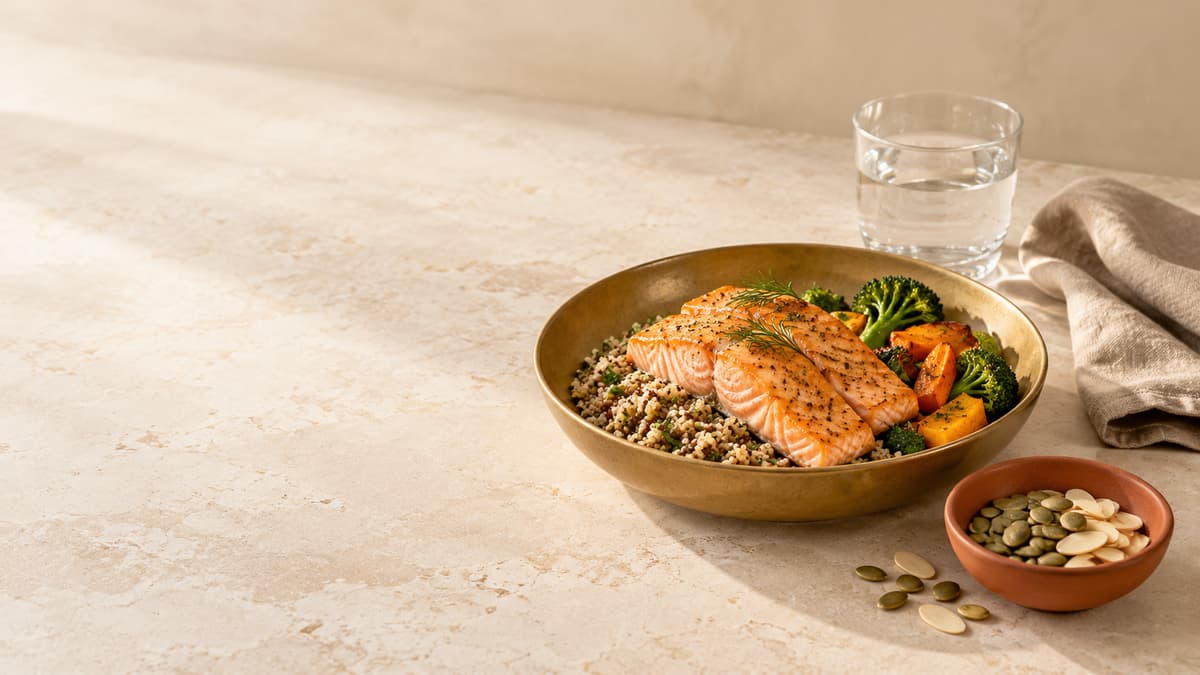
A healthy aging diet for preserving muscle mass focuses on a foundation of minimally processed and unprocessed foods, prioritizing adequate protein intake and nutrient diversity. By combining balanced nutrition with a strategy adapted to individual routines, adults can support lean mass retention and improve overall physical performance throughout the aging process.
Who struggles with muscle loss during aging and why?
Muscle loss, or sarcopenia, primarily affects older adults who experience a natural decline in lean mass, often exacerbated by inadequate nutrition or chronic health conditions. This problem frequently manifests in English-speaking adults seeking longevity and performance, particularly those who may have shifted toward restrictive eating patterns or lost appetite as they age.
Maintaining muscle is not merely about aesthetics; it is a critical component of functional independence. When the body begins to lose skeletal muscle mass and strength, simple daily activities—such as rising from a chair, carrying groceries, or maintaining balance—become increasingly difficult. This physiological shift is often compounded by the complexity of managing body composition. For some, this manifests as sarcopenic obesity, a condition where muscle mass decreases while fat mass increases, creating a challenging metabolic environment.
The struggle is often rooted in a mismatch between the body's increased need for specific nutrients to trigger muscle protein synthesis and the actual dietary intake. Many adults find that the dietary habits that served them in their thirties and forties are insufficient for the metabolic demands of their sixties and seventies. This gap leads to a progressive decline in strength, leaving the individual more susceptible to frailty and a reduction in overall quality of life.
The long-term cost of ignoring muscle preservation
Ignoring the decline of muscle mass leads to a significant reduction in metabolic health, increased frailty, and a loss of autonomy that can be difficult to reverse. When lean mass is not prioritized, the body becomes more prone to metabolic dysfunction, increasing the risk of chronic diseases that impact longevity.
One of the most immediate costs is the impact on metabolic rate. Muscle is metabolically active tissue; as it disappears, the body's ability to manage glucose and maintain a healthy weight diminishes. This can lead to a cycle where the individual gains fat while losing muscle, a state that is further complicated if obesity is present. As classified by the World Health Organization (WHO), obesity is a chronic, relapsing disease arising from complex interactions between genetics, neurobiology, eating behaviors, and access to a healthy diet. When this chronic disease intersects with muscle loss, the resulting metabolic burden significantly impairs physical performance.
Beyond the metabolic cost, there is the cost of mobility. Muscle mass is the primary engine for movement. A lack of sufficient muscle leads to instability and a higher risk of falls, which in older populations often results in fractures and prolonged hospitalization. This loss of physical capability often leads to a sedentary lifestyle, which further accelerates muscle wasting in a downward spiral. The psychological toll is equally high, as the loss of independence can lead to decreased social engagement and a lower perceived quality of life.
Furthermore, neglecting the nutritional foundation early on creates a steeper climb later. Because healthy dietary practices start early in life, failing to establish a muscle-preserving strategy in middle age means the body has fewer reserves to draw upon during the later stages of aging. The cost is ultimately a shorter healthspan—the period of life spent in good health—even if the lifespan itself is extended through medical intervention.
How to implement a nutrition strategy for muscle maintenance
Maintaining muscle mass requires a shift from generic calorie counting to a strategic focus on nutrient density, protein timing, and a personalized approach to body composition that avoids the pitfalls of restrictive dieting.
Prioritize a foundation of unprocessed foods
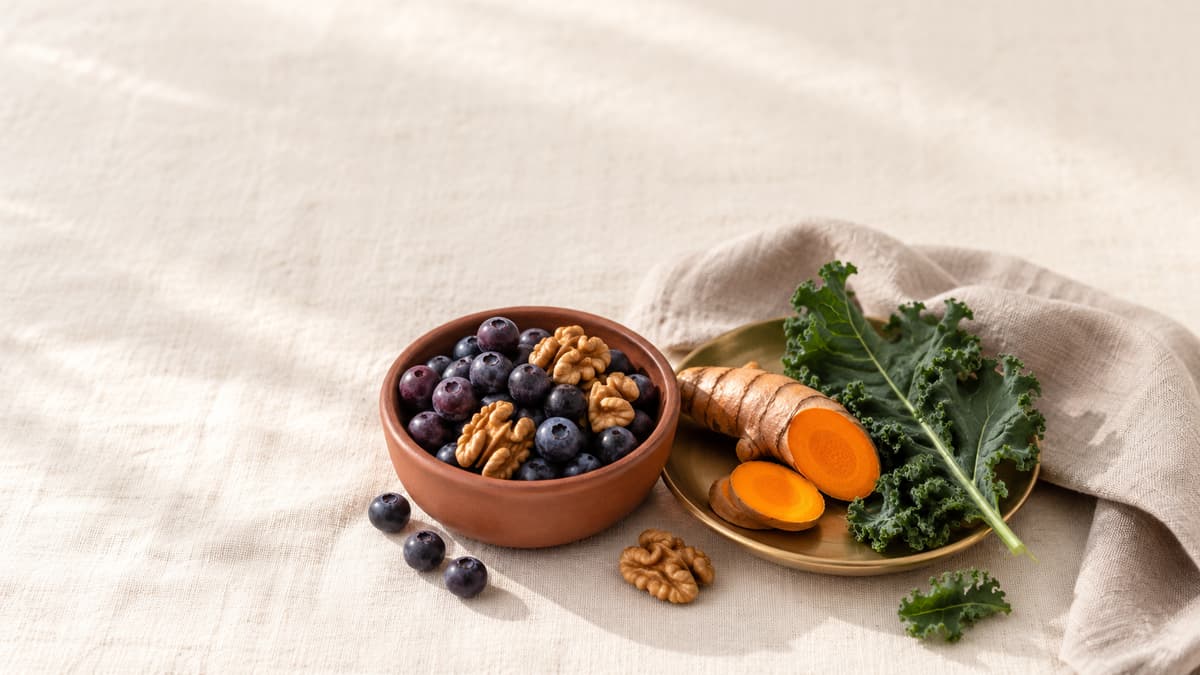
The bedrock of any strategy to keep muscle as you age is a variety of minimally processed and unprocessed foods. These foods provide the essential micronutrients and high-quality proteins necessary for tissue repair and muscle maintenance. A diet low in unhealthy fats, free sugars, and sodium reduces systemic inflammation, which is often a driver of muscle degradation. By focusing on whole foods, you ensure that the body receives the full spectrum of nutrients required for cellular function without the metabolic interference of highly processed additives.
Integrating these foods allows for a more sustainable approach to nutrition, ensuring that adequacy, balance, moderation, and diversity—the four core principles of a healthy diet—are met. When these foundations are in place, the body is better equipped to utilize the protein you consume for actual muscle building rather than just basic survival. For those looking to optimize their overall nutritional framework, understanding evidence-based nutrition for lifespan can provide the broader context needed to integrate these whole foods into a long-term plan.
Optimize protein intake for frail or undernourished states
Increasing protein consumption is a critical lever for those experiencing the onset of frailty. Evidence suggests that targeted protein supplementation can directly improve muscle mass and physical performance. For example, a randomized, double-blind, placebo-controlled trial published in The American Journal of Clinical Nutrition (2018) found that protein supplementation improves muscle mass and physical performance in undernourished prefrail and frail elderly subjects. This indicates that for those already showing signs of muscle loss, simply eating "enough" may not be sufficient; a concerted effort to increase high-quality protein is necessary to trigger hypertrophy.
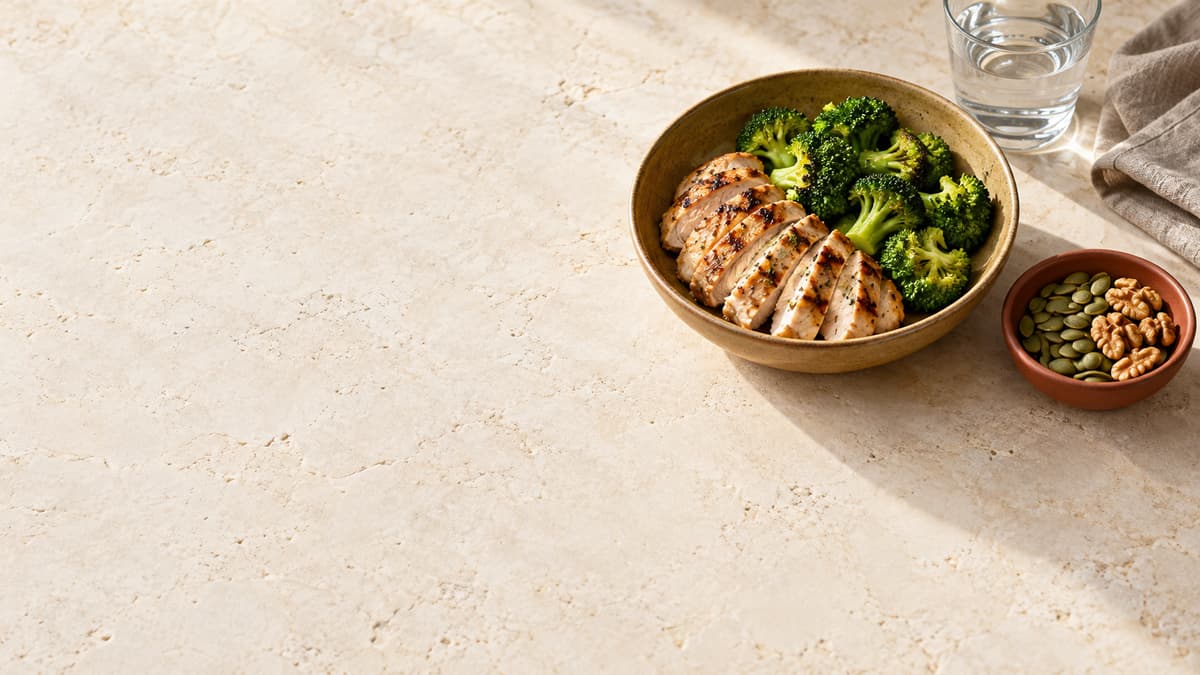
The focus should be on high-biological-value proteins that provide a complete amino acid profile. This allows the body to synthesize new muscle proteins more efficiently. It is important to distribute this protein across all meals rather than consuming it in one large sitting, as the aging body has a diminished capacity to process large boluses of protein at once. By maintaining a steady supply of amino acids, you keep the body in an anabolic state, preventing the breakdown of existing muscle tissue to fuel other bodily functions.
Address sarcopenic obesity through combined interventions
For individuals who are struggling with both muscle loss and excess body fat, a nuanced approach is required. Sarcopenic obesity requires more than just weight loss; it requires the preservation of lean mass while reducing fat. A randomized controlled trial known as the FranSO trial, published in BMC Geriatrics (2018), examined the effect of whole-body electromyostimulation and/or protein supplementation on obesity and cardiometabolic risk in older men with sarcopenic obesity. The research highlights that combining nutritional support with physical stimuli can help manage the risks associated with this specific condition.
The goal in this scenario is not "weight loss" in a general sense, but rather sustainable body composition change. Reducing fat without a corresponding focus on protein and stimulus can actually accelerate muscle loss, worsening the sarcopenic state. Therefore, the strategy must prioritize the retention of lean mass over the number on the scale. This shift in focus ensures that the resulting weight loss is healthy fat loss, which improves cardiometabolic markers and overall mobility.
Adopt a personalized approach to body composition
The most effective way to maintain muscle mass is to move away from restrictive diets and toward a personalized strategy built around your preferences, culture, and routine. A plan that is too strict is rarely sustainable and often leads to unintended muscle loss due to caloric deficits that are too aggressive. Healthy fat loss should occur without the need for another restrictive diet, focusing instead on a strategy that the individual can actually keep for the long term.
Personalization allows for the adjustment of nutrient ratios based on activity levels and metabolic responses. For instance, an active adult focusing on performance will require a different protein-to-carbohydrate ratio than someone focusing on recovery from frailty. By tailoring the approach to the individual's lifestyle, the nutrition plan becomes a tool for empowerment rather than a source of stress. This sustainability is key because muscle maintenance is a lifelong process, not a short-term fix. To ensure your approach is balanced, you can evaluate longevity nutrition checkpoints to refine your daily habits.
Integrate diversity and moderation to support systemic health
Muscle preservation does not happen in a vacuum; it requires a systemic environment that supports growth and repair. This is where the principles of diversity and moderation come into play. A diverse diet ensures that the body receives the necessary antioxidants, vitamins, and minerals—such as Vitamin D and Magnesium—that act as cofactors for muscle contraction and protein synthesis. Moderation prevents the metabolic stress associated with overconsumption of sugars and unhealthy fats, which can lead to insulin resistance.
Insulin resistance is particularly detrimental to muscle mass because insulin is an anabolic hormone. When the body becomes resistant to insulin, it becomes harder to drive amino acids into the muscle cells, leading to atrophy even if protein intake is theoretically adequate. By maintaining a balanced and diverse diet, you support insulin sensitivity, thereby maximizing the effectiveness of the protein you consume. This holistic approach ensures that the nutritional foundation supports not just the muscle, but the entire endocrine system responsible for maintaining lean mass.
Establish lifelong dietary habits early
While muscle can be regained or maintained in older age, the trajectory of aging is heavily influenced by practices that start early in life. Establishing a habit of consuming minimally processed foods and prioritizing lean protein in early adulthood creates a "physiological reserve." This reserve acts as a buffer against the natural declines that occur later, making the process of muscle maintenance significantly easier during the senior years.
Focusing on a healthy aging diet from a young age prevents the early onset of chronic diseases like obesity, which can complicate muscle preservation later. When an individual enters their later years with a history of balanced nutrition and healthy body composition, they are less likely to face the severe challenges of sarcopenic obesity. The goal is to build a foundation of health that supports performance and longevity across every decade, ensuring that the body remains resilient and capable of movement regardless of age.
Further reading on longevity and nutrition
To better understand how muscle preservation fits into a broader life-extension strategy, you should explore the principles of evidence-based nutrition for lifespan and performance. This comprehensive guide provides the overarching framework for selecting nutrients that support both longevity and daily function.
Once you have a grasp of the foundations, it is helpful to finalize your nutrition assessment. This process helps you identify specific gaps in your current diet and implement the final checkpoints necessary to ensure your muscle-maintenance strategy is fully optimized for your unique biology.
How this connects to the rest of the cluster
Frequently Asked Questions
How can I keep my muscle mass as I get older?
You can keep muscle mass by consuming a variety of minimally processed and unprocessed foods, prioritizing high-quality protein intake, and avoiding restrictive diets. Combining these nutritional foundations with a personalized strategy and physical stimulus helps maintain lean mass and improve physical performance during aging.
Is protein supplementation necessary for older adults?
For undernourished, prefrail, or frail elderly subjects, research indicates that protein supplementation can significantly improve muscle mass and physical performance. However, the goal should be a balanced diet based on adequacy and diversity, using supplementation to fill specific gaps in intake when whole foods are insufficient.
Can I lose fat without losing muscle as I age?
Yes, through a personalized approach to body composition that focuses on healthy fat loss without restrictive dieting. By prioritizing protein and avoiding extreme caloric deficits, you can achieve sustainable body composition changes that reduce fat while preserving the lean muscle necessary for mobility.
What role do processed foods play in muscle loss?
Diets high in free sugars, sodium, and unhealthy fats can contribute to obesity and systemic inflammation. Since obesity is a chronic, relapsing disease, these processed foods can complicate muscle maintenance and increase the risk of sarcopenic obesity, which impairs overall physical performance.
When should I start focusing on a healthy aging diet?
Healthy dietary practices should start early in life. Establishing a foundation of adequacy, balance, and diversity in younger years creates a physiological reserve that makes it easier to maintain muscle mass and overall health as you enter older adulthood.
References
Protein supplementation improves muscle mass and physical performance in undernourished prefrail and frail elderly subjects: a randomized, double-blind, placebo-controlled trial. (The American Journal of Clinical Nutrition, 2018) — https://pubmed.ncbi.nlm.nih.gov/30475969/
Effect of whole-body electromyostimulation and / or protein supplementation on obesity and cardiometabolic risk in older men with sarcopenic obesity: the randomized controlled FranSO trial. (BMC Geriatrics, 2018) — https://pubmed.ncbi.nlm.nih.gov/29523089/