How Much Protein Do I Need to Build Muscle? The Complete Evidence-Based Guide to Nutrition for Muscle Gain

Nutrition for muscle gain requires a strategic combination of sufficient protein intake and caloric support to fuel training and facilitate tissue repair. To build and preserve lean muscle, an individual must prioritize high-quality protein sources and energy-dense foods that support the metabolic demands of resistance training and recovery.
What is the Fundamental Role of Nutrition for Muscle Gain?
Nutrition for muscle gain is the practice of providing the body with specific macronutrients and micronutrients required to stimulate muscle protein synthesis (MPS) and prevent muscle protein breakdown (MPB). It involves balancing caloric intake with physical demand to create an environment conducive to hypertrophy.
At its core, building muscle is a biological process of adaptation. When resistance training creates micro-tears in muscle fibers, the body requires specific building blocks—namely amino acids from protein—to repair these fibers and make them thicker and stronger. Without adequate nutrition, the body may enter a catabolic state, where it breaks down existing muscle tissue to meet energy needs or maintain essential functions, effectively neutralizing the benefits of the workout.
Performance and longevity are deeply linked to the maintenance of lean muscle mass. As adults age, the risk of sarcopenia increases, making the strategic use of nutrition for muscle gain not just a goal for athletes, but a necessity for long-term health. By focusing on food that fuels training, individuals can ensure that their efforts in the gym translate into tangible physiological changes. This means looking beyond just "eating more" and instead focusing on the quality and timing of nutrients to optimize the hormonal response to exercise.
Integrating functional nutrition means considering how different foods impact inflammation, gut health, and insulin sensitivity. For instance, the ability to shuttle nutrients into muscle cells is largely dependent on insulin response. By selecting complex carbohydrates and healthy fats alongside protein, a person can optimize the metabolic environment for growth. This holistic approach ensures that muscle gain does not come at the expense of metabolic health or cardiovascular function, aligning performance goals with longevity.
Furthermore, the psychological aspect of nutrition cannot be ignored. Consistency in fueling is what separates temporary gains from permanent physiological shifts. When nutrition is treated as a pillar of training rather than an afterthought, the recovery window is shortened, allowing for higher intensity and frequency in training sessions. This creates a positive feedback loop: better nutrition leads to better workouts, which in turn creates a greater stimulus for muscle growth, requiring even more precise nutritional support.
Why is Optimizing Protein Intake Urgent for Adults Seeking Longevity?
Optimizing protein intake is urgent because lean muscle mass is one of the primary predictors of healthspan and functional independence in older age. Maintaining muscle preserves metabolic rate and protects joint integrity, reducing the risk of frailty and metabolic dysfunction.
The urgency stems from the phenomenon of anabolic resistance, where the body becomes less efficient at processing protein and responding to resistance exercise as it ages. For an adult seeking longevity, simply meeting the minimum recommended dietary allowances (RDA) is often insufficient to trigger muscle protein synthesis. To counteract this, a more aggressive and targeted approach to protein consumption is necessary to keep the body in an anabolic state.
Moreover, the modern dietary landscape often emphasizes calorie restriction or low-protein trends that can inadvertently lead to the loss of lean mass. When individuals lose weight without sufficient protein and resistance training, a significant portion of that weight loss comes from muscle rather than fat. This lowers the basal metabolic rate, making it harder to maintain a healthy weight and increasing the risk of metabolic syndrome. Therefore, the focus must shift from simple weight management to body composition management.
From a performance standpoint, the urgency is tied to the recovery cycle. In a high-performance context, the window for recovery is the only time growth actually occurs. If protein intake is neglected during this period, the body remains in a state of stress, increasing the likelihood of injury and burnout. By prioritizing protein and fuel that supports training, adults can sustain high levels of activity well into their later decades, ensuring that their physical capability matches their mental drive.
Finally, muscle acts as a metabolic sink for glucose. By increasing lean muscle mass through targeted nutrition, individuals can improve their glycemic control and insulin sensitivity. This provides a powerful defense against type 2 diabetes and other metabolic disorders. The intersection of muscle gain and longevity is not merely about aesthetics; it is about creating a robust biological reserve that allows the body to withstand illness, injury, and the natural process of aging.
How Do Evidence-Based Guidelines Determine Protein Requirements?
Evidence-based guidelines determine protein requirements by analyzing randomized controlled trials (RCTs) and meta-analyses that measure muscle protein synthesis (MPS) and changes in lean body mass across different populations and caloric states.
Clinical evidence typically looks at the "leucine threshold," which is the amount of the essential amino acid leucine required to trigger the mTOR pathway, the primary regulator of cell growth in muscles. Researchers measure how different dosages of protein per kilogram of body weight impact the net protein balance. When the rate of synthesis exceeds the rate of breakdown, muscle growth occurs. These studies allow practitioners to move away from generic advice and toward precise, weight-based recommendations.
The role of energy balance is a critical variable in these guidelines. For example, a 2016 randomized trial published in The American Journal of Clinical Nutrition found that higher dietary protein, compared with lower protein, during an energy deficit combined with intense exercise promotes greater lean mass gain and fat mass loss (Longland TM et al., 2016). This indicates that the "need" for protein is not static; it increases when the body is in a caloric deficit to prevent the body from using muscle tissue as an energy source.
Guidelines also account for the quality of the protein. Not all proteins are created equal; those with a complete amino acid profile—containing all nine essential amino acids—are more effective at promoting hypertrophy. Evidence-based nutrition focuses on the bioavailability of these proteins, ensuring that the amino acids are actually absorbed and transported to the muscle cells rather than being wasted or converted into glucose.
Lastly, practitioners look at the distribution of protein across the day. While total daily intake is the most important factor, research suggests that spreading protein across multiple meals helps maintain a positive nitrogen balance throughout the 24-hour cycle. This prevents prolonged periods of catabolism and ensures that the body has a steady supply of raw materials for repair and growth, especially during the overnight fasting period.
How Does Performance-Based Nutrition Differ from Classic Dietary Advice?
Performance-based nutrition differs from classic dietary advice by focusing on the timing, quality, and specific purpose of nutrients to maximize physiological adaptation rather than simply avoiding deficiency or managing weight.
Classic dietary advice often focuses on the RDA (Recommended Dietary Allowance), which is designed to prevent deficiency in the general population. However, for someone pursuing muscle gain and longevity, the RDA is a floor, not a ceiling. Performance-based nutrition recognizes that the demands of resistance training require significantly higher protein and caloric thresholds to achieve hypertrophy. It shifts the conversation from "how much is enough to survive" to "how much is optimal to thrive."
Another key difference is the approach to carbohydrates and fats. Traditional advice often views carbohydrates as something to be limited for weight loss. In contrast, nutrition for muscle gain views carbohydrates as an essential fuel for high-intensity training. By replenishing glycogen stores, carbohydrates allow for greater training volume and intensity, which are the primary drivers of the stimulus needed for muscle growth. Without sufficient energy, the body may oxidize protein for fuel, wasting a valuable resource that should be used for tissue repair.
The concept of nutrient timing is also a hallmark of performance nutrition. While classic advice suggests a balanced plate at every meal, performance nutrition emphasizes the "peri-workout" window. Consuming specific nutrients before, during, and after training optimizes blood flow to the muscles, enhances nutrient uptake, and accelerates recovery. This strategic application of nutrition ensures that the body is chemically prepared for the stress of the workout and chemically supported during the recovery phase.
Finally, performance-based nutrition is highly individualized. It accounts for variables such as lean body mass, training volume, age, and metabolic flexibility. Instead of a one-size-fits-all pyramid, it uses a flexible framework that adjusts based on the training phase—whether the goal is maximal strength, hypertrophy, or a "cut" to improve definition. This precision allows the individual to gain muscle while minimizing unwanted fat gain, a balance that is rarely addressed in generic dietary guidelines.
What is the Optimal Nutritional Structure for Building Lean Muscle?
The optimal structure for building lean muscle involves a foundation of high protein intake, a slight caloric surplus or a protein-spared deficit, and a strategic distribution of carbohydrates and fats to fuel intense resistance training.
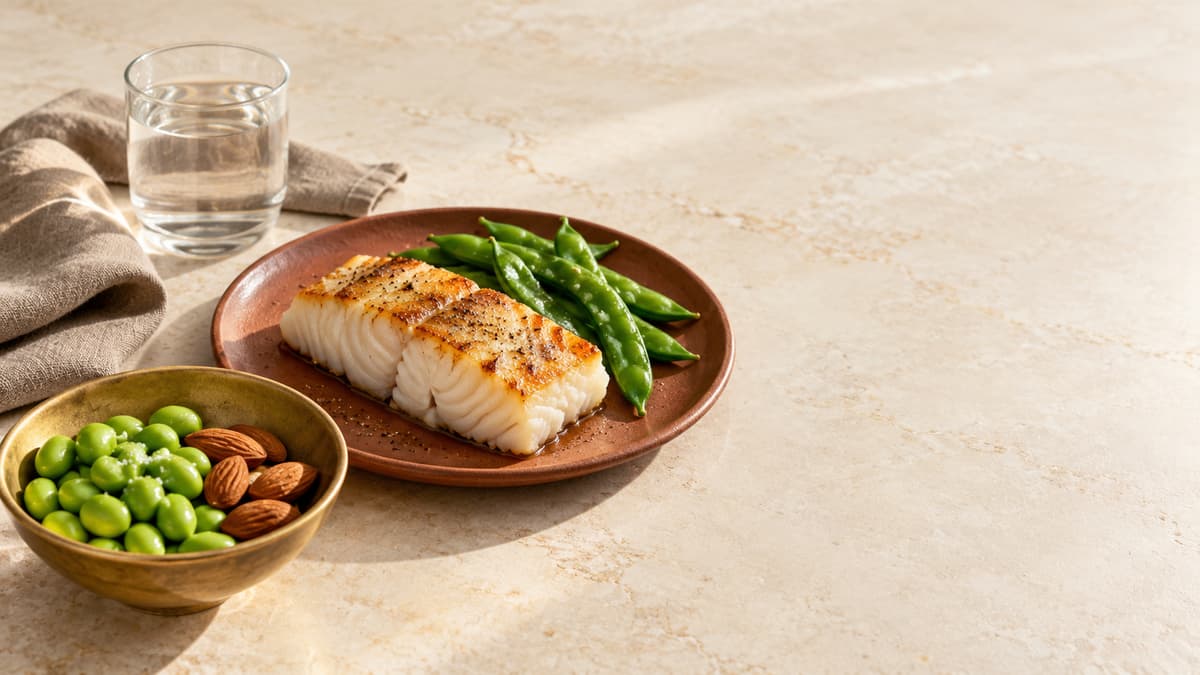
To implement this structure, one must first establish a protein baseline. This involves calculating a daily target based on lean body mass. Protein should be sourced from high-biological-value foods such as eggs, lean meats, fish, and soy, or supplemented with high-quality whey or plant-based isolates. The goal is to ensure a consistent supply of essential amino acids, particularly leucine, to keep muscle protein synthesis elevated throughout the day.
Next, the energy balance must be addressed. For most, a slight caloric surplus is the most efficient path to gain. This provides the extra energy required for the energetically expensive process of synthesizing new muscle tissue. However, as noted in the research by Longland TM et al. (2016), it is possible to gain lean mass even in a deficit if protein intake is sufficiently high. This "protein-sparing" effect is crucial for those who want to improve definition while maintaining or slightly increasing their muscle mass.
Carbohydrate integration is the third pillar. Complex carbohydrates, such as quinoa, sweet potatoes, and oats, should be timed around the training window. Pre-workout carbs provide the glucose needed for explosive movements, while post-workout carbs trigger an insulin response that helps transport amino acids into the muscle cells. This prevents the body from entering a catabolic state and ensures that the energy from the diet is used to fuel the workout rather than being diverted from muscle repair.
Healthy fats round out the structure, supporting hormone production—including testosterone and growth hormone—which are critical for muscle growth. Omega-3 fatty acids, found in fatty fish and seeds, are particularly valuable for reducing exercise-induced inflammation and improving muscle cell membrane fluidity. The balance of fats ensures that the endocrine system is functioning optimally to support the physical demands of training.
Finally, hydration and micronutrients act as the catalysts. Magnesium, zinc, and Vitamin D play pivotal roles in muscle contraction and protein synthesis. Without adequate hydration and mineral balance, the biochemical reactions required for hypertrophy cannot occur efficiently. A structure that ignores these "small" details often hits a plateau because the body lacks the enzymatic support to process the macronutrients provided.
Example: Applying Nutrition for Muscle Gain to a Training Cycle
Applying these principles in a real-world scenario requires aligning dietary intake with the specific goals and intensity of a training block, ensuring that the nutrients provided match the physiological stress applied to the muscles.
How to structure a high-protein day for hypertrophy?
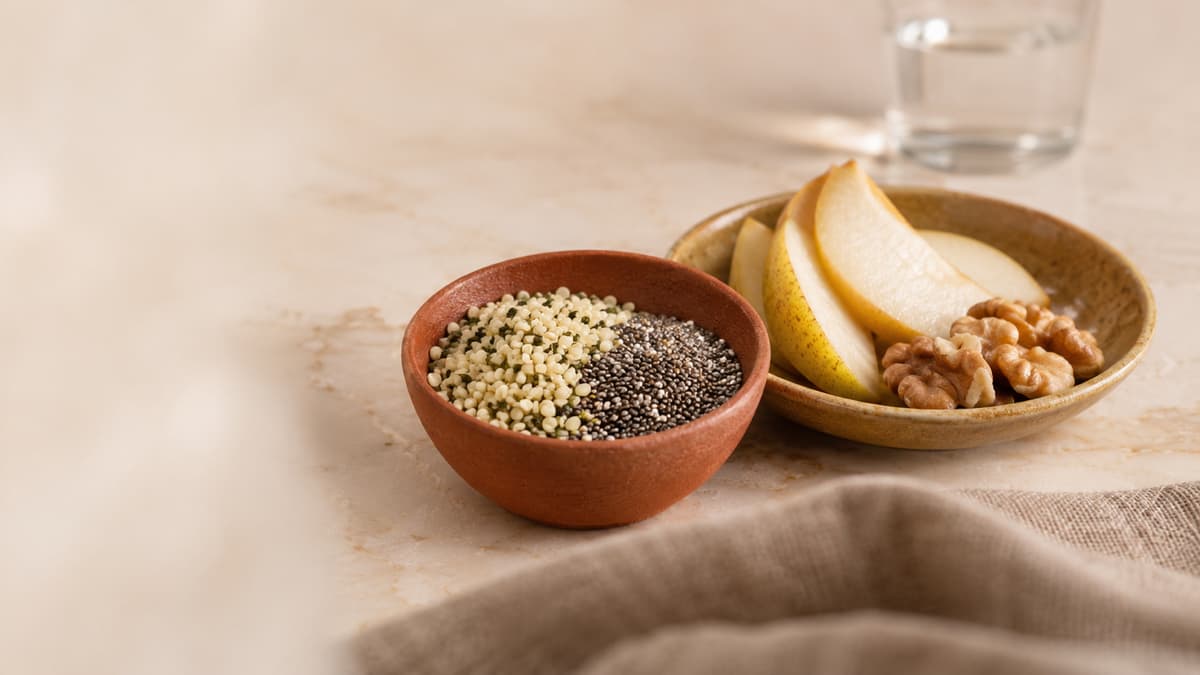
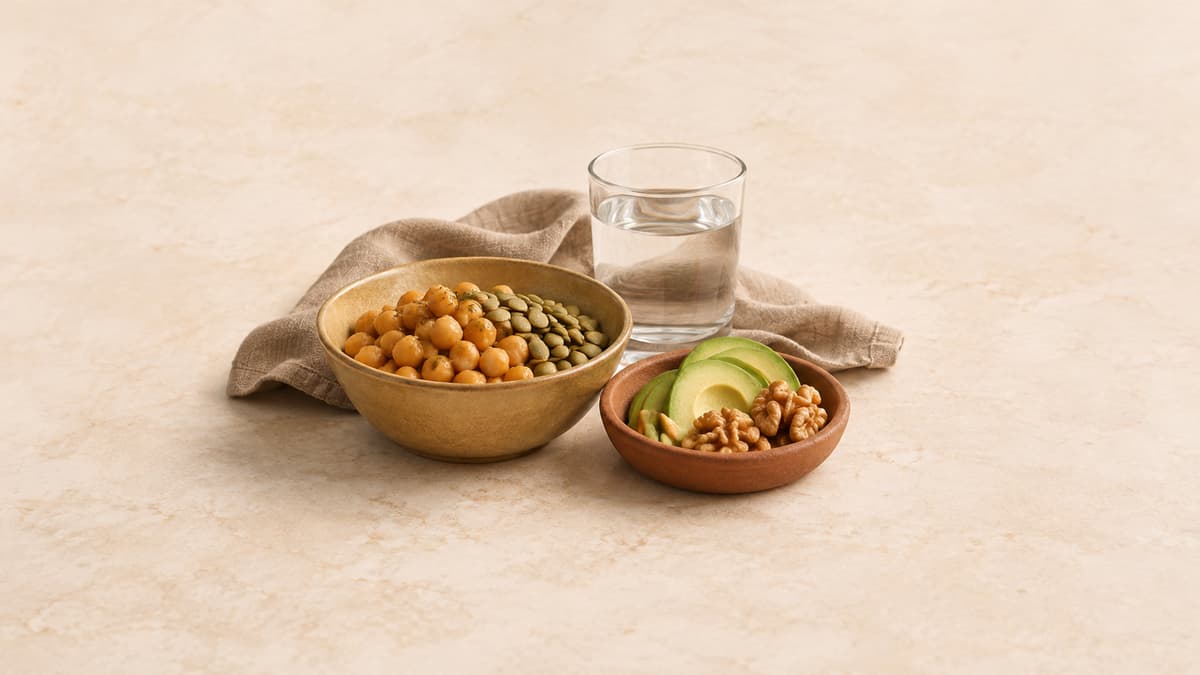
A typical day focused on muscle gain would prioritize protein at every meal. Breakfast might consist of eggs and Greek yogurt to provide a fast-acting and slow-acting protein blend. Lunch and dinner would center around a lean protein source, like chicken breast or tofu, paired with a complex carbohydrate and a variety of fibrous vegetables. A snack of nuts or a protein shake would fill the gaps, ensuring that the protein intake is spread evenly to maximize the muscle protein synthesis response.
How to adjust nutrition for a heavy lifting day?
On days with high-intensity resistance training, the focus shifts toward carbohydrate availability. A pre-workout meal rich in complex carbohydrates is consumed two to three hours before the session to top off glycogen stores. Immediately following the workout, a combination of rapid-absorbing protein and simple carbohydrates is utilized to spike insulin and kickstart the recovery process. This ensures that the energy used during the session is quickly replaced and the muscles are provided with the amino acids needed for repair.
How to handle nutrition during a recovery or "deload" week?
During a deload week, where training volume is reduced to allow the central nervous system to recover, caloric intake may be slightly lowered, but protein remains high. This prevents the loss of lean mass while allowing the body to heal from accumulated systemic fatigue. The focus shifts more toward anti-inflammatory fats, like avocado and olive oil, and a higher intake of micronutrient-dense vegetables to support overall systemic recovery and prepare the body for the next high-intensity cycle.
How to integrate nutrition for muscle gain during a fat-loss phase?
When the goal is to improve definition while preserving muscle, the strategy involves a carefully managed caloric deficit combined with an increase in protein density. The focus is on "nutrient-dense, calorie-light" foods. This means replacing some carbohydrates with more lean protein and vegetables. By maintaining a high protein intake, the individual leverages the findings of the Longland TM et al. (2016) study, ensuring that the weight lost is primarily fat while the lean muscle mass is protected and potentially even increased.
How to Measure the Outcome of a Muscle Gain Nutrition Plan?
Measuring the outcome of a nutrition plan requires a multi-faceted approach that looks beyond the scale, focusing instead on changes in body composition, strength levels, and subjective recovery markers.
The most basic metric is body weight, but weight alone is misleading because it does not distinguish between muscle, fat, and water. A more effective approach is tracking body composition through methods such as skinfold calipers, bioelectrical impedance, or DEXA scans. These tools allow an individual to see if their weight gain is coming from lean mass or adipose tissue. If the weight is increasing while waist circumference remains stable or decreases, it is a strong indicator that the nutrition for muscle gain is working.
Strength gains are a primary proxy for muscle growth. If an individual is consistently increasing the weight they can lift for a given set and rep range (progressive overload), it is a sign that the muscles are adapting and growing. Nutrition plays a critical role here; if strength plateaus despite a proper training program, it often indicates an energy or protein deficiency. Tracking "volume load" (weight x reps x sets) provides a quantitative measure of the stimulus being applied and the body's ability to recover from it.
Subjective recovery markers are equally important. These include sleep quality, morning energy levels, and the presence of delayed onset muscle soreness (DOMS). If a person feels chronically fatigued or experiences excessive soreness that lasts for several days, it may indicate that their caloric intake or protein levels are too low to support the training volume. Conversely, a feeling of being "fueled" and recovered suggests that the nutrition plan is well-aligned with the training load.
Finally, visual changes provide the most immediate feedback. Changes in muscle fullness and vascularity often precede changes on the scale. Regular progress photos taken under the same lighting and conditions can reveal improvements in muscle definition and symmetry. When these visual cues align with strength gains and stable body composition metrics, the nutritional strategy is validated as effective for long-term hypertrophy and performance.
Continue with
To further refine your approach, it is essential to understand the broader context of maintaining a healthy body composition. While this guide focuses on the buildup phase, understanding the principles of building and preserving lean muscle provides the necessary framework for maintaining those gains over a lifetime of health and longevity.
How this connects to the rest of the cluster
Frequently Asked Questions About Nutrition for Muscle Gain
How much protein do I need per day to build muscle?
Protein needs vary based on total calories and training intensity, but generally, those seeking muscle gain require a higher intake than the general population. When in an energy deficit, higher protein intake is specifically shown to promote greater lean mass gain and fat loss compared to lower protein levels.
Do I need a caloric surplus to gain muscle?
While a caloric surplus is the most common way to fuel hypertrophy, it is not strictly mandatory. Clinical evidence suggests that with sufficiently high protein intake and intense exercise, it is possible to gain lean mass even during an energy deficit, although a surplus often accelerates the process.
Is protein timing more important than total daily intake?
Total daily protein intake is the primary driver of muscle gain. However, spreading protein throughout the day and timing it around workouts can optimize the muscle protein synthesis response and improve recovery, making it a secondary but valuable strategy for high-performance athletes.
Can I build muscle with plant-based protein?
Yes, muscle gain is possible with plant-based proteins as long as the overall amino acid profile is complete. This often requires consuming a variety of protein sources, such as legumes, soy, and grains, to ensure all essential amino acids are present to trigger the mTOR pathway.
Should I prioritize protein or carbohydrates after a workout?
Both are important, but they serve different roles. Protein provides the amino acids necessary for tissue repair, while carbohydrates replenish glycogen and trigger an insulin response that helps shuttle those nutrients into the muscle cells for more efficient recovery.
Summary of Evidence-Based Nutrition for Muscle Gain
Achieving sustainable muscle gain and preserving lean mass for longevity requires a scientific approach to nutrition. The core of this strategy is the optimization of protein intake, which serves as the fundamental building block for tissue repair. As evidenced by clinical research, maintaining high protein levels is especially critical during periods of energy deficit to prevent muscle wasting and facilitate lean mass growth. This must be paired with a strategic use of carbohydrates to fuel intense resistance training and healthy fats to support the endocrine system.
Ultimately, nutrition for muscle gain is not about following a rigid diet, but about creating a metabolic environment that supports adaptation. By focusing on food that fuels training, prioritizing the leucine threshold for protein synthesis, and measuring success through body composition and strength, adults can significantly improve their performance and long-term healthspan. The integration of these principles ensures that the body remains resilient, metabolically active, and physically capable throughout the aging process.
References
Higher compared with lower dietary protein during an energy deficit combined with intense exercise promotes greater lean mass gain and fat mass loss: a randomized trial. (The American Journal of Clinical Nutrition, 2016) — https://pubmed.ncbi.nlm.nih.gov/26817506/ See also: Does Creatine Work for Building Muscle and Is It Safe for Strength Training Beginners?.