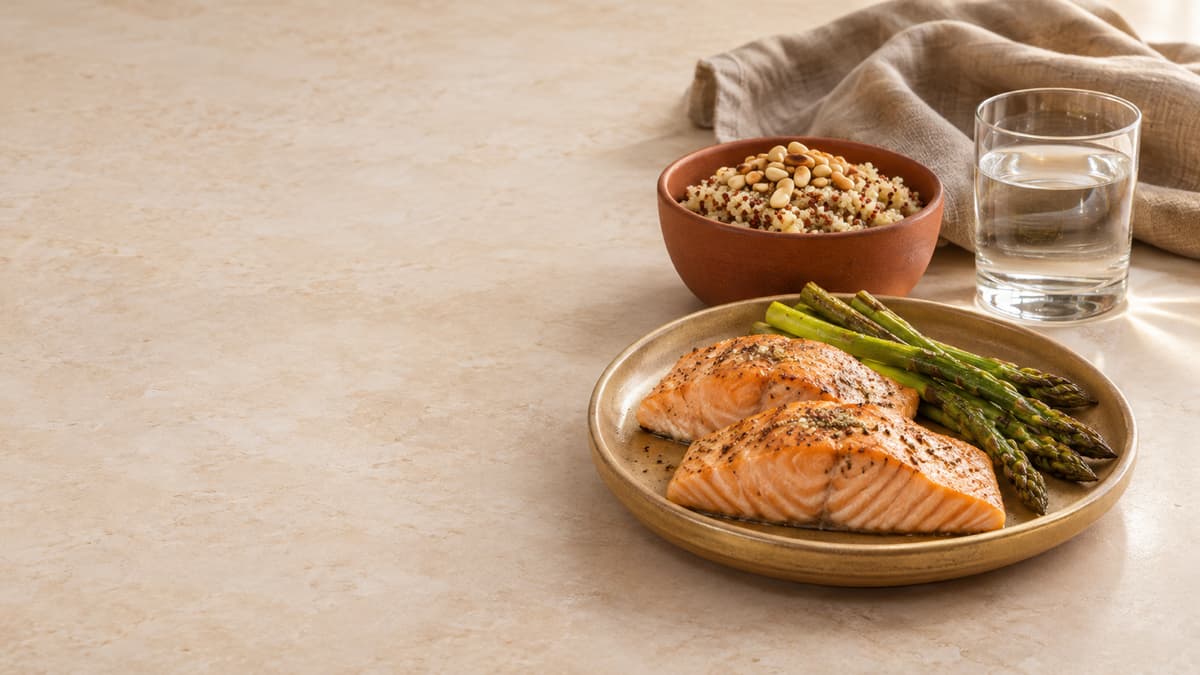
How Much Protein Do I Need Per Day to Build Muscle and Improve Body Composition?
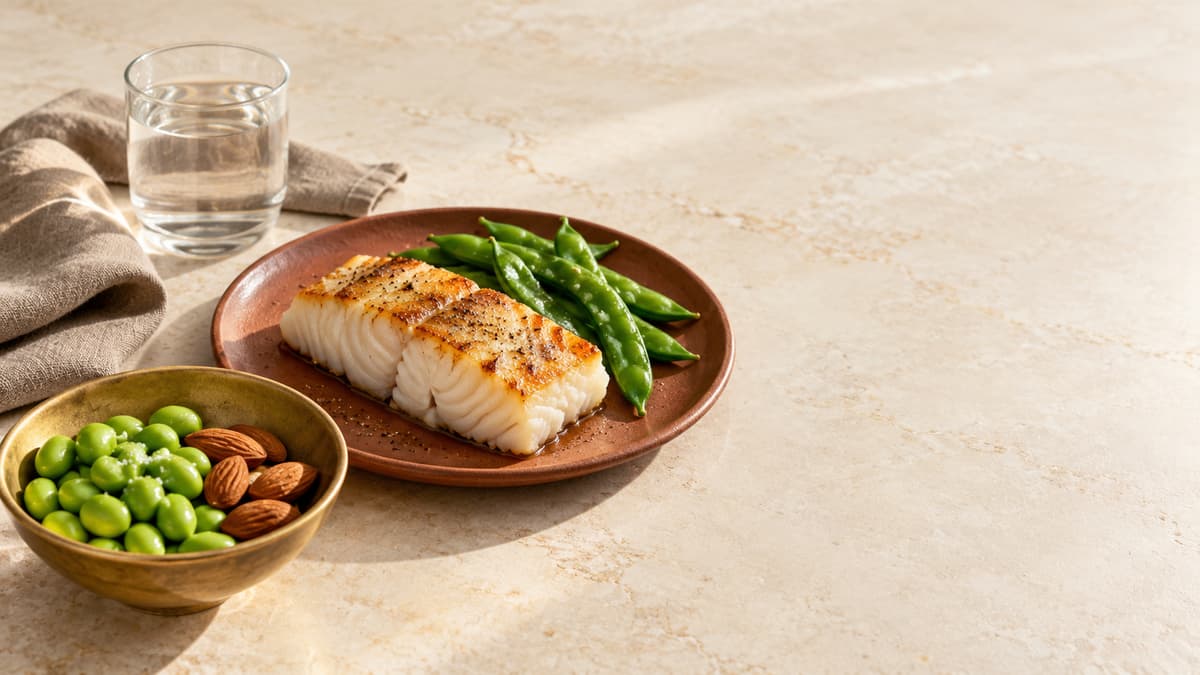
To build muscle and lose fat, protein intake must be sufficient to support lean mass preservation and growth. Clinical evidence suggests that higher protein intake during an energy deficit combined with intense exercise promotes greater lean mass gain and fat mass loss compared to lower protein levels.
How much protein do I need per day to build muscle?
Protein needs for muscle growth vary, but prioritizing higher intake during caloric deficits and intense training is key to preserving lean mass. This ensures the body has the necessary building blocks to fuel training and support hypertrophy while reducing fat mass.
A 2016 randomized trial published in The American journal of clinical nutrition found that higher compared with lower dietary protein during an energy deficit combined with intense exercise promotes greater lean mass gain and fat mass loss. This demonstrates that when calories are restricted, protein becomes a critical variable for body recomposition nutrition.
To achieve these results, it is essential to build and preserve lean muscle with food that fuels your training. This approach focuses on identifying priorities that matter most to your specific physiology and building a strategy that works in real life.
How does protein support body recomposition?
Protein supports body recomposition by providing the amino acids necessary for muscle repair and growth while helping to maintain metabolic rate during fat loss. This allows for the simultaneous increase in lean mass and decrease in fat mass.
Rather than following a restrictive list of foods, a comprehensive approach looks at the full picture and history to implement step-by-step changes. This process helps you understand your body and determine which dietary adjustments effectively support your performance and longevity goals.
For those looking to deepen their understanding of these requirements, you can explore the evidence-based guide to nutrition for muscle gain to see how these nutrients balance with overall energy needs.
What connects here
To further explore the relationship between nutrient intake and physical results, review the guide on protein for muscle gain.
How this connects to the rest of the cluster
- What Should I Eat Before and After Lifting Weights for Optimal Recovery?
- How Much Protein Do I Need to Feel Full While Eating Out While Losing Weight?
- How Much Protein Should Women Eat After Menopause to Prevent Muscle Loss?
- How to Optimize Fueling Workouts After Work for Better Body Composition and Energy
References
Higher compared with lower dietary protein during an energy deficit combined with intense exercise promotes greater lean mass gain and fat mass loss: a randomized trial. (The American journal of clinical nutrition, 2016) — https://pubmed.ncbi.nlm.nih.gov/26817506/
How much protein do I need per day to build muscle?
While specific amounts depend on the individual, clinical data indicates that higher protein intake is more effective than lower intake for gaining lean mass and losing fat when combined with intense exercise and an energy deficit.
Can I build muscle while losing fat?
Yes, this is possible through a strategy that combines intense exercise with a high-protein diet, which helps preserve lean muscle while the body utilizes fat stores for energy.
What foods help build and preserve lean muscle?
Foods that fuel your training and provide high-quality protein are essential for muscle preservation and growth during body recomposition.
Why is protein important during a caloric deficit?
Protein is critical during a deficit to prevent the loss of lean muscle tissue, ensuring that weight loss comes primarily from fat mass.
How do I know if my protein intake is sufficient?
Evaluating the full picture of your history and implementing step-by-step changes allows you to learn what works for your specific body and performance needs.