What Should I Eat Before and After Lifting Weights for Optimal Recovery?

Recovery nutrition after training for those lifting weights focuses on aligning nutrient intake with the demands of the training routine. This involves selecting foods that provide energy for the session and nutrients that support the body's needs afterward to maintain consistency and long-term health.
What should I eat before lifting weights?
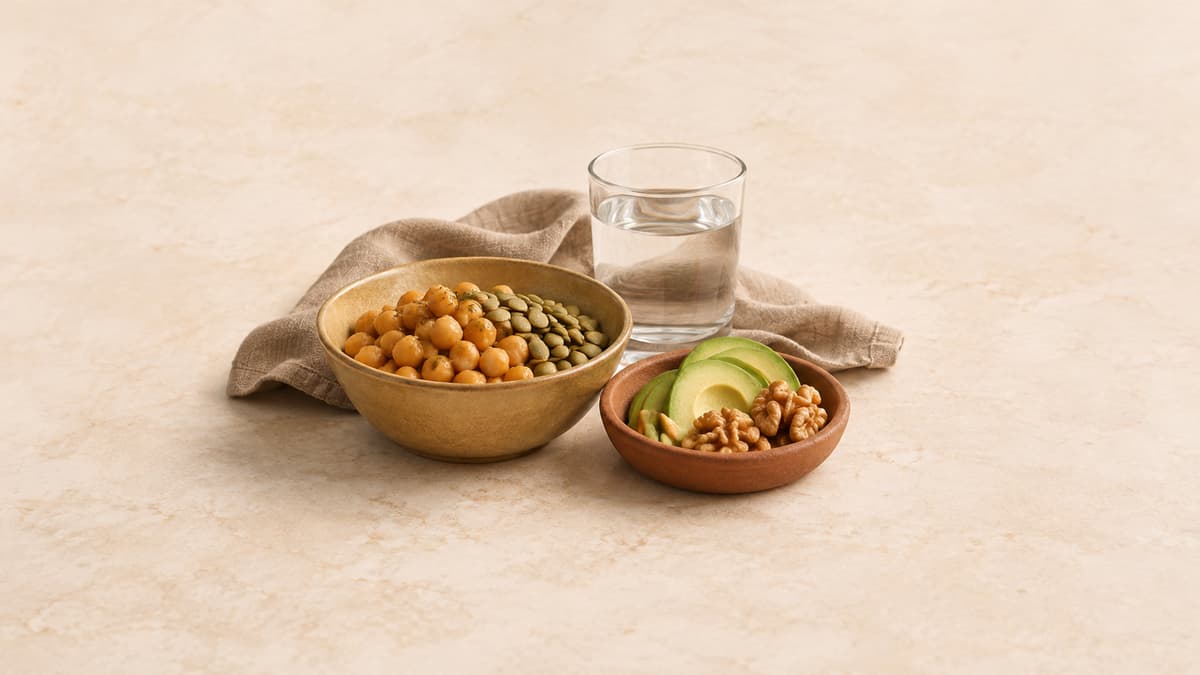
Before lifting weights, prioritize nutrients that provide the necessary energy to sustain the intensity of your training routine. This preparation helps maintain consistency during demanding sessions such as strength training or CrossFit.
Integrating a practical approach to fueling allows athletes to manage the physical demands of various modalities, including running and Pilates. For those seeking more detailed context on how to align their total intake with their goals, you can explore nutrition for muscle gain.
What should I eat after lifting weights?
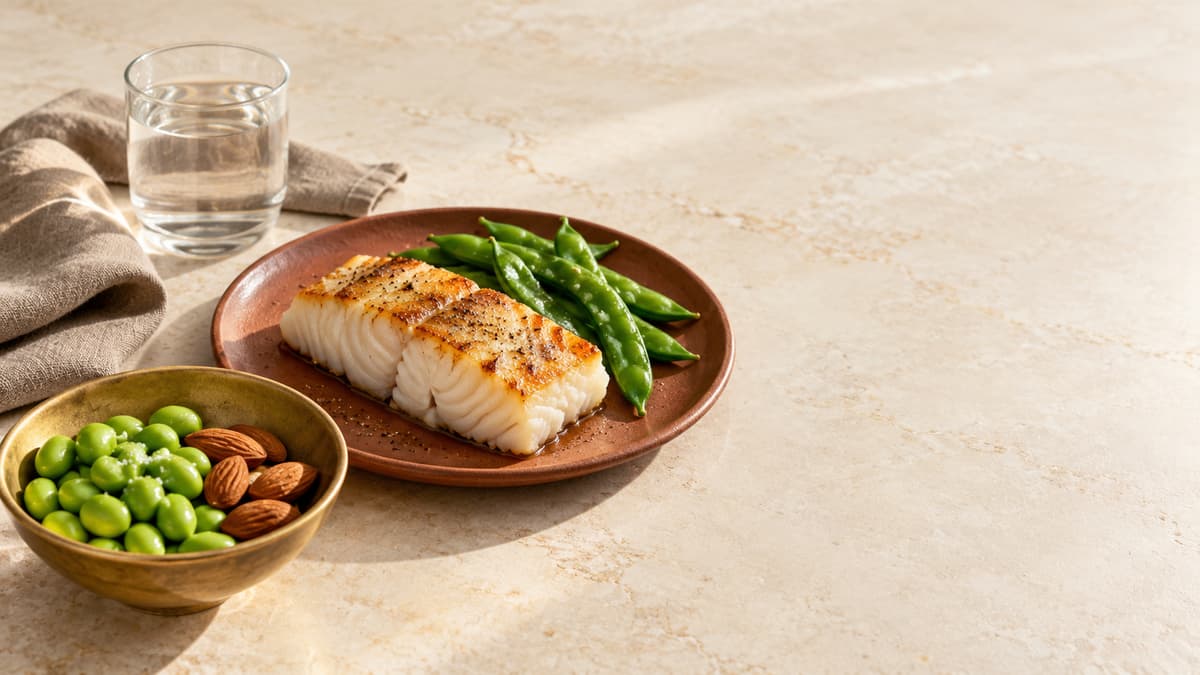
After lifting weights, focus on recovery nutrition after training that supports the body's return to a rested state. Selecting nutrients that address the physical stress of the workout is essential for long-term health and performance.
Research indicates that the choice of post-workout intake can influence appetite and energy. A 2026 meta-analysis in Nutrients found that post-exercise milk and milk-based beverages may play a role in appetite regulation and energy intake (Tunçil E et al., 2026).
Additionally, for those incorporating high-intensity modalities, certain supplements may be considered. A 2026 randomized controlled trial published in the Journal of the International Society of Sports Nutrition demonstrated that acute phenylcapsaicin supplementation improved performance in CrossFit (Triviño AR et al., 2026).
To see a tactical walkthrough of the implementation of protein in your daily routine, refer to the guidelines on protein for body composition.
What connects here
To further understand the relationship between nutrient timing and growth, read the evidence-based guide on nutrition for muscle gain.
For a more detailed approach to daily protein targets, explore the guide on protein for body composition.
How this connects to the rest of the cluster
- How Protein Distribution Across Meals Impacts Muscle Growth and Performance
- What Should Men Eat for More Energy During the Workday and at Business Dinners?
- How Much Protein Should Women Eat After Menopause to Prevent Muscle Loss?
- What Should I Look for in a Prenatal Vitamin to Support Maternal Health and a Healthy Weight After Pregnancy?
- Optimizing Protein Intake for Faster Muscle Recovery
- Optimizing Protein Intake for Lean Muscle and Recovery
References
Beyond Recovery: Effects of Post-Exercise Milk and Milk-Based Beverages on Appetite Regulation and Energy Intake-A Systematic Review and Meta-Analysis (Nutrients, 2026) — https://pubmed.ncbi.nlm.nih.gov/42280300/
Acute phenylcapsaicin supplementation improves CrossFit® performance: a randomized, triple-blind, placebo-controlled crossover trial (Journal of the International Society of Sports Nutrition, 2026) — https://pubmed.ncbi.nlm.nih.gov/41536004/
What should I eat before and after lifting weights?
Before lifting weights, eat nutrients that provide energy for the training session. After lifting, focus on recovery nutrition after training that supports the body in returning to a rested state and promotes long-term health.
How does milk help after training?
According to a 2026 meta-analysis, milk and milk-based beverages used after exercise can influence energy intake and the regulation of appetite.
Is phenylcapsaicin useful for high-intensity training?
A 2026 randomized controlled trial found that acute phenylcapsaicin supplementation improved performance specifically in CrossFit training.
Why is recovery nutrition important for longevity?
Proper recovery nutrition after training helps the body manage the physical stress of lifting weights, which is necessary for maintaining consistency and long-term health.
Can my training routine affect my nutrition needs?
Yes, the specific demands of strength training, running, CrossFit, or Pilates shape the practical approach to fueling and recovery to ensure long-term health.