Optimizing Protein Intake for Lean Muscle and Recovery
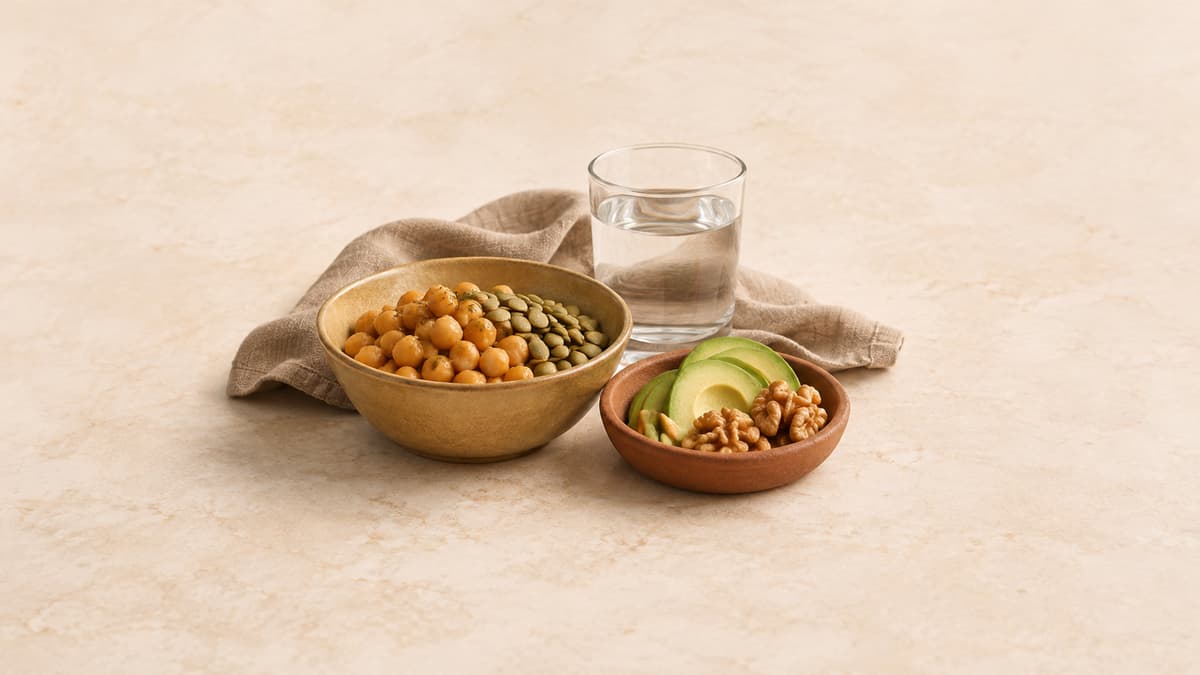
Optimal protein intake for lean muscle recovery involves consuming sufficient high-quality protein and total calories to support tissue repair and energy levels. For those training intensely, this means ensuring protein is distributed across the day.
How much protein do I actually need to recover faster and build lean muscle without feeling exhausted?
To recover faster and build lean muscle, you must prioritize sufficient total caloric intake alongside protein.
When training frequently—such as 5 times a week across strength training, running, CrossFit, and Pilates—the demand for nutrients increases. If you experience slow recovery, it is often a signal of nutrient uncertainty, where you may not be eating enough protein or enough total calories to sustain your output.
Evidence supports the use of specific protein sources to manage the physiological stress of training. A 2026 randomized controlled trial found that chickpea protein hydrolysate can impact exercise-induced biomarkers of muscle damage and inflammation in road cyclists (Journal of the International Society of Sports Nutrition, 2026).
Does protein supplementation actually improve muscle recovery?
Yes, protein supplements can be effective tools for enhancing athletic performance and speeding up the recovery process after strenuous exercise.
A 2026 Bayesian multilevel meta-analysis of randomized controlled trials indicated that protein supplements are effective for improving post-exercise recovery and overall athletic performance (Journal of the International Society of Sports Nutrition, 2026). These supplements help bridge the gap when whole food intake is insufficient to meet the demands of high-volume training.
How can I stop mid-week energy crashes?
Manage energy levels by ensuring your total caloric intake aligns with your training volume.
Many active individuals feel that recovery is slow because they are unsure if they are eating enough food. When you train 5 times a week, the cumulative fatigue of diverse modalities like Pilates and strength training may benefit from adequate caloric intake.
How this connects to the rest of the cluster
- How Much Protein Do I Need to Build Muscle? The Complete Evidence-Based Guide to Nutrition for Muscle Gain
- Overcoming Slow Muscle Recovery with Targeted Nutrition
- Optimizing Protein Intake for Faster Muscle Recovery
- Protein Needs in Menopause: Determining Adequate Intake for Changing Bodies
- How Protein Distribution Across Meals Impacts Muscle Growth and Performance
- How to Lose Fat Without Losing Muscle: The Role of Protein Satiety
References
The effectiveness of protein supplements on athletic performance and post-exercise recovery - a Bayesian multilevel meta-analysis of randomized controlled trials (Journal of the International Society of Sports Nutrition, 2026) — https://pubmed.ncbi.nlm.nih.gov/41433039/
Effects of a chickpea protein hydrolysate on exercise-induced biomarkers of muscle damage and inflammation in federated road cyclists (Journal of the International Society of Sports Nutrition, 2026) — https://pubmed.ncbi.nlm.nih.gov/42828502/
How much protein do I actually need to recover faster and build lean muscle without feeling exhausted?
You need enough protein to support muscle repair and sufficient total calories to support overall recovery.
Why do I feel exhausted mid-week despite training?
Energy drops are often caused by inadequate total food intake or insufficient protein, especially when training 5 times a week across multiple disciplines.
Can plant-based proteins help with muscle inflammation?
Yes, specific plant proteins, such as chickpea protein hydrolysate, have been shown to affect biomarkers of muscle damage and inflammation.
Are protein supplements necessary for lean muscle growth?
While not mandatory, meta-analyses show they are effective for enhancing post-exercise recovery and athletic performance when whole foods are insufficient.
How does training volume affect my nutrient needs?
Higher training volumes, such as combining strength training, running, and CrossFit, increase the requirement for both protein and total calories to avoid slow recovery.