How to Lose Fat Without Losing Muscle: The Role of Protein Satiety
Part of How to Lose Fat Without Losing Muscle: The Role of Protein Satiety
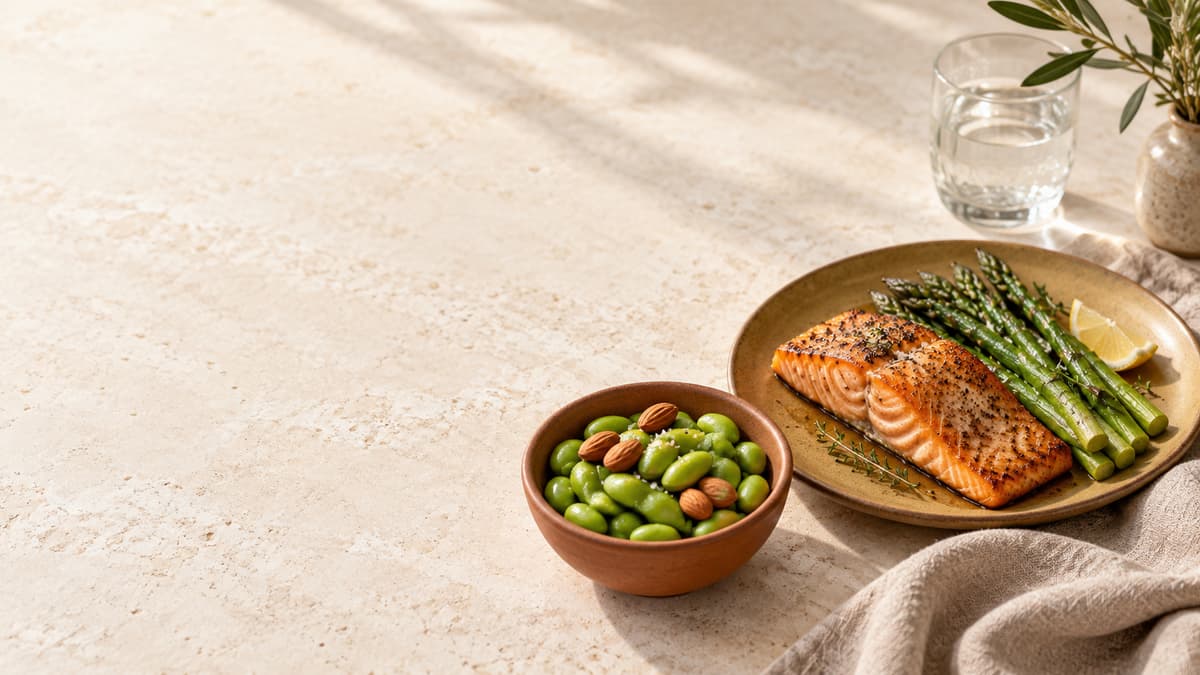
To lose fat without losing muscle, you need an approach that combines a moderate caloric deficit with high protein intake and resistance training. This combination signals the body to prioritize the use of stored fat for energy while providing the necessary amino acids to maintain skeletal muscle tissue.
The Challenge of Preserving Lean Mass During Weight Loss
Weight loss is often approached as a simple mathematical equation of calories in versus calories out, but for high-performing individuals, this oversimplification leads to a loss of lean tissue. When the body enters a caloric deficit, it seeks energy from any available source, which can include both adipose tissue and muscle protein. For those seeking longevity, the loss of muscle is not just an aesthetic issue but a functional one, as muscle mass is closely tied to overall metabolic health and physical resilience.
The Cost of Muscle Loss
When a person loses muscle instead of just fat, the cost is measured in diminished physical and cognitive capacity. Muscle loss often correlates with a decrease in basal metabolic rate, making it easier to regain weight and harder to maintain a lean physique over the long term. Furthermore, the associated drop in strength and vitality can impact everyday energy, mobility, and endurance.
How to Manage Protein Intake for Maximum Satiety and Muscle Retention
Identify Your Daily Protein Floor
The first movement in a successful body recomposition strategy is establishing a minimum daily protein target, often referred to as a protein floor. Rather than focusing solely on the calories you remove, you must focus on the nutrients you keep. By setting a high protein target, you ensure that the body has a steady stream of amino acids available to repair and maintain muscle fibers even when total energy intake is low. This prevents the body from scavenging its own muscle tissue to meet its basic needs. Managing this floor allows for a more predictable weight loss trajectory where the scale moves down because fat is being oxidized, not because lean mass is being depleted.
Prioritize Protein-Dense Whole Foods
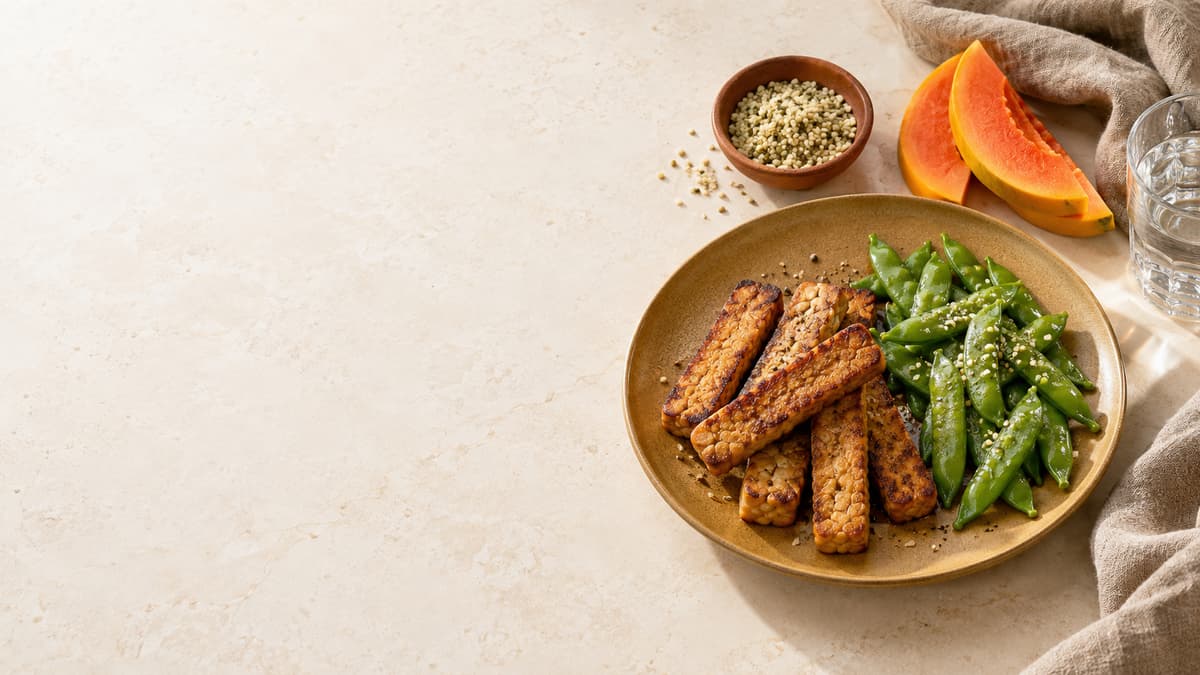
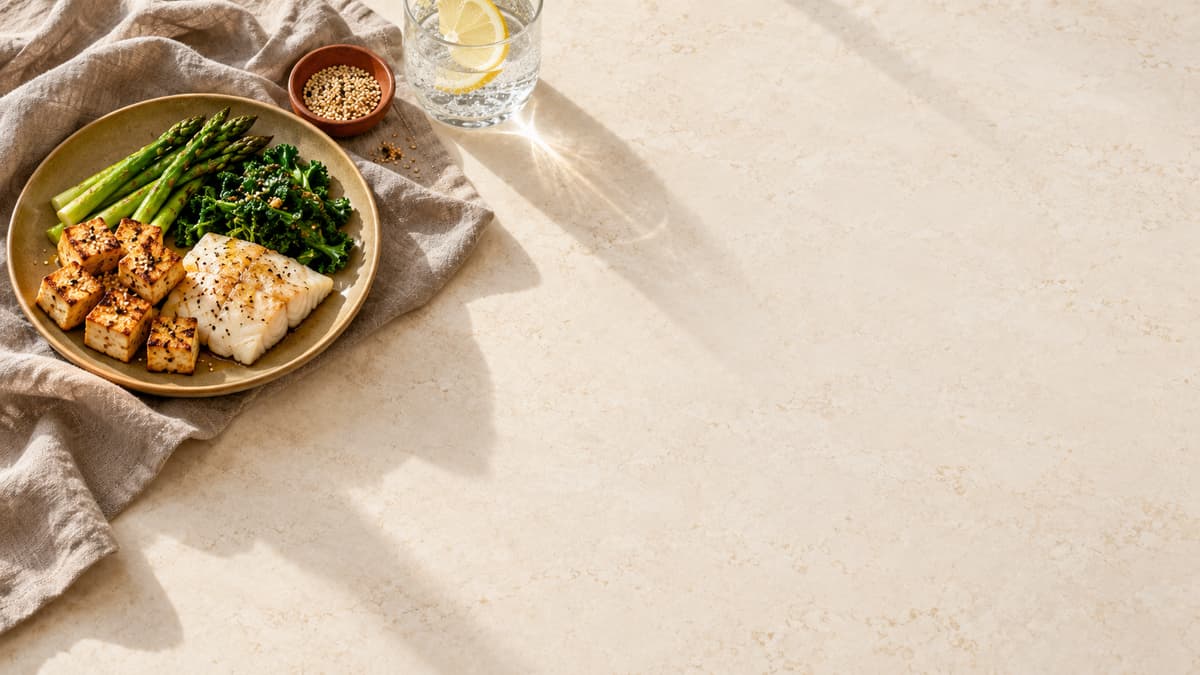
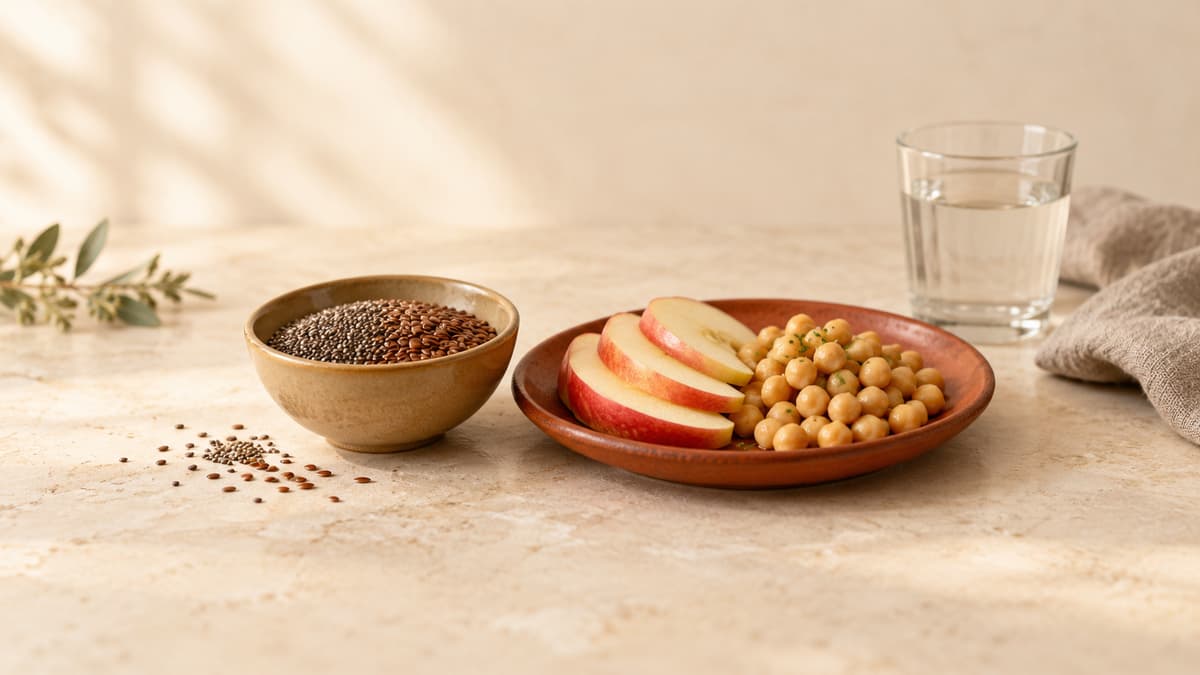
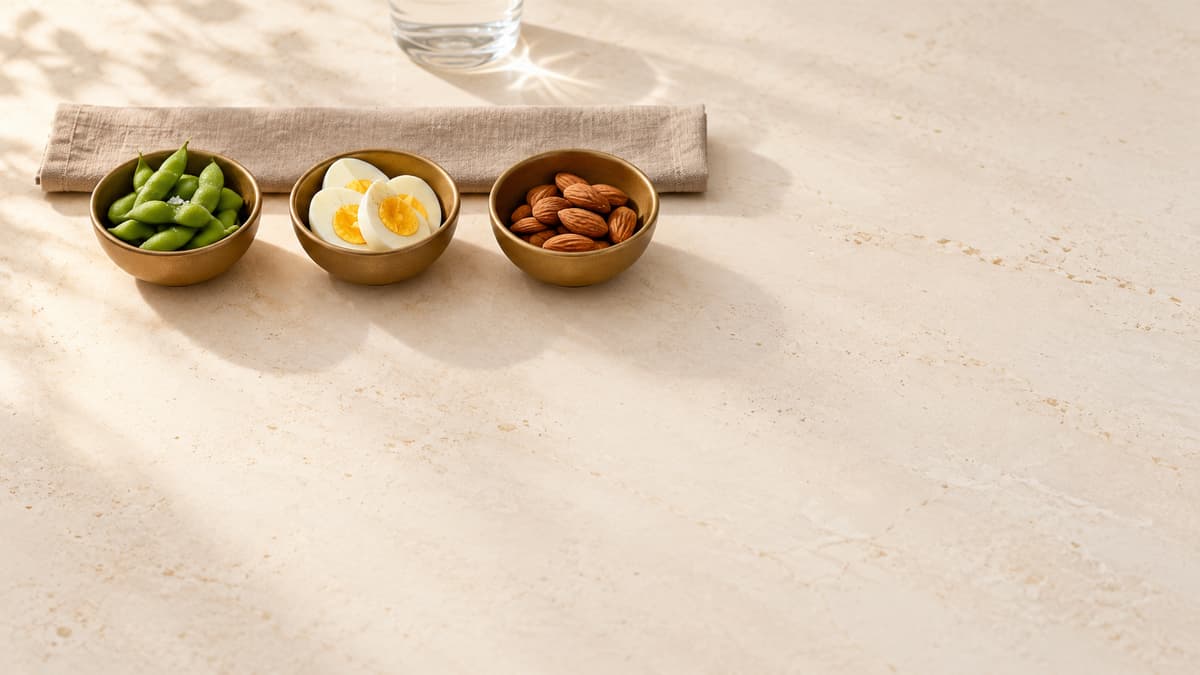
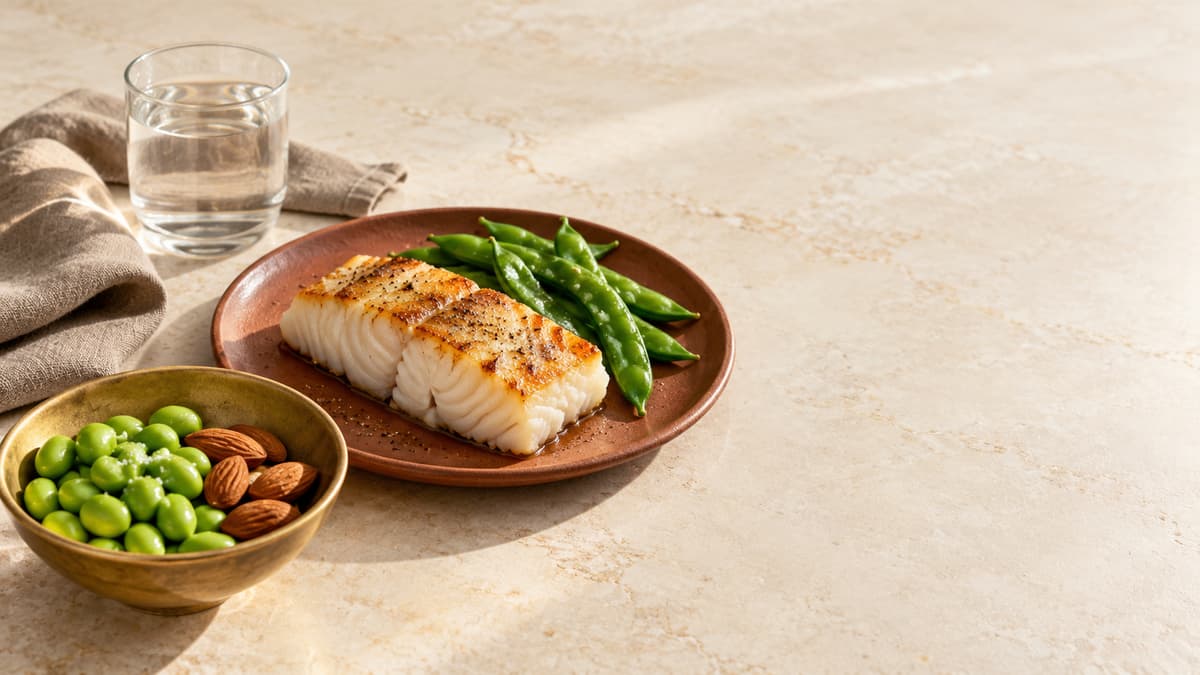
To feel full while losing weight, the choice of protein source is as important as the total amount. Whole food sources—such as lean poultry, fish, eggs, and plant-based legumes—provide a more complex nutritional profile than highly processed alternatives. These foods generally require more digestive effort, which slows the rate of gastric emptying and extends the feeling of fullness. For a reader with a packed schedule, replacing processed snacks with protein-dense options helps stabilize blood sugar levels and prevents the cognitive fog and hunger crashes that typically occur in the mid-afternoon, allowing for steadier energy through the afternoon.
Distribute Protein Across All Meals
Consuming the bulk of your protein in a single large meal is less effective for muscle preservation than distributing it throughout the day. The body can only utilize a certain amount of protein for muscle protein synthesis in one sitting; any excess is either oxidized for energy or stored. By incorporating a high-quality protein source into breakfast, lunch, and dinner, you maintain a more consistent level of amino acids in the bloodstream. This distribution strategy is particularly effective for those who may otherwise skip meals due to back-to-back commitments, as it prevents the extreme hunger spikes that often lead to unsustainable binge eating in the evenings.
Integrate Mechanical Tension via Resistance Training
Nutrition alone cannot fully protect muscle mass; the body requires a mechanical reason to keep its lean tissue. Resistance training, such as weightlifting or bodyweight exercises, creates mechanical tension and metabolic stress that signal the body that muscle is necessary for survival. When the body perceives that muscle is being actively used and challenged, it is less likely to break down that tissue for energy during a caloric deficit. For the busy individual, this doesn't require hours in the gym, but rather a consistent commitment to compound movements that engage multiple muscle groups and maintain the integrity of the musculoskeletal system.
Manage Systemic Recovery and Stress
High levels of stress and inadequate sleep can create a catabolic environment that undermines even the best nutrition and training plans. Chronic stress increases the production of hormones that can promote muscle breakdown and increase cravings for energy-dense, low-nutrient foods. Establishing a structured recovery routine—which includes consistent sleep hygiene and intentional periods of downtime—allows the body to efficiently use the protein you consume for tissue repair. When recovery is optimized, the body becomes more efficient at partitioning nutrients toward muscle preservation and away from fat storage, making the fat loss process feel more sustainable.
Track Performance Metrics Over Scale Weight
The number on the scale is a blunt instrument that does not distinguish between the loss of fat, water, and muscle. To truly verify that you are losing fat without losing muscle, you must track leading indicators of performance and composition. These include strength levels in your workouts, the fit of your clothing, and your daily energy levels. If your weight is dropping but your strength in the gym is also declining, it is a signal that you may be losing lean mass. Adjusting your protein intake upward or slightly increasing total calories can correct this trajectory, ensuring that the physical changes are aligned with your functional goals.
Comparing a Muscle-Preserving Approach to Traditional Weight Loss
Traditional weight loss methods often focus exclusively on restriction, which frequently results in a loss of both fat and muscle. A muscle-preserving approach focuses on nutrient partitioning and tissue preservation.
| Criteria | Nathalia Rudek Nutrition Approach | Traditional Caloric Restriction |
|---|---|---|
| Primary Focus | Lean mass preservation & satiety | Total calorie reduction |
| Nutrient Priority | Protein-first distribution | Generic macronutrient ratios |
| Success Metric | Strength & body composition | Scale weight only |
| Sustainability | Hormonal and hunger management | Willpower-based restriction |
Continue with Your Optimization Journey
Once you have established your protein floor and integrated resistance training, it is essential to look at the broader metabolic picture. Understanding the nuances of metabolic health allows you to maintain your results long-term and avoid the common pitfalls of weight regain. By refining your approach to nutrient timing and recovery, you can ensure that your physical health remains a competitive advantage in your daily life.
How this connects to the rest of the cluster
Frequently Asked Questions
How much protein do I need to feel full while losing weight?
To maximize satiety and preserve muscle, you should prioritize a high-protein intake relative to your total calories. While specific needs vary by individual, focusing on protein-dense whole foods at every meal helps regulate hunger hormones and keeps you feeling satisfied longer than carbohydrates or fats alone.
Can I lose fat without losing muscle if I don't lift weights?
While high protein intake helps, it is significantly more difficult to preserve lean mass without a mechanical stimulus. Resistance training signals to the body that muscle tissue is required for function, preventing it from being broken down for energy during a deficit.
Does eating more protein slow down weight loss?
As long as you remain in an overall caloric deficit, increasing your protein intake will not cause fat gain. In fact, protein requires more energy to digest than other macronutrients, which can support the fat loss process.
What are the best protein sources for a busy lifestyle?
The most effective sources combine high protein density with convenience. Lean meats, fish, and eggs are ideal for primary meals, while high-quality supplements can be practical tools for meeting targets during tight schedules when whole foods are unavailable.
How do I know if I am losing muscle instead of fat?
The most reliable indicators are a noticeable drop in strength during your workouts, a decrease in muscle firmness, and excessive fatigue. If the scale is moving down but your gym performance is crashing, it is a sign of lean tissue loss.
References
- Calcium Beta-Hydroxy-Beta-Methylbutyrate-Enriched Nutritional Supplementation During Dietary Weight Loss in Adults With Obesity: A Randomized Controlled Trial. (Journal of cachexia, sarcopenia and muscle, 2026) — https://pubmed.ncbi.nlm.nih.gov/42444106/
- Impact of Protein Intake during Weight Loss on Preservation of Fat-Free Mass, Resting Energy Expenditure, and Physical Function in Overweight Postmenopausal Women: A Randomized Controlled Trial. (Obesity facts, 2021) — https://pubmed.ncbi.nlm.nih.gov/33975325/
- High-Protein or Low Glycemic Index Diet-Which Energy-Restricted Diet Is Better to Start a Weight Loss Program? (Nutrients, 2021) — https://pubmed.ncbi.nlm.nih.gov/33810414/