How Much Protein Do I Need to Feel Full While Eating Out While Losing Weight?
Part of How to Lose Fat Without Losing Muscle: The Role of Protein Satiety
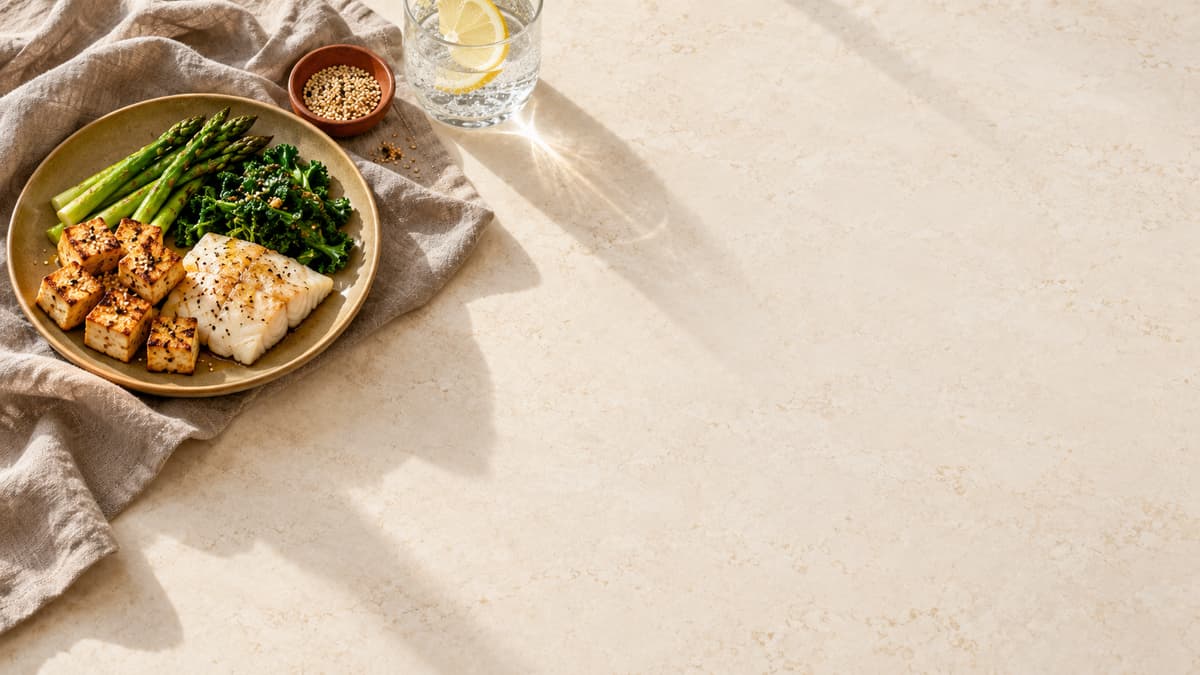
To feel full while eating out while losing weight, prioritize high-protein main courses that protect lean muscle and energy. Increasing dietary protein helps manage appetite and supports the body's response to fat loss, ensuring you feel satiated without exceeding your caloric needs during social meals.
How much protein do I need to feel full while losing weight?
While individual needs vary, increasing protein intake is a key strategy to promote satiety and manage body weight. A 2021 meta-analysis in Nutrients found that interventions with increased dietary protein are associated with successful body weight management outcomes.
When you are not sure you're eating enough protein—or eating enough at all—your body may fail to respond to dietary efforts despite consistent healthy eating. This often happens when the focus is solely on calorie restriction rather than nutrient density. To prevent this, focus on the following when selecting restaurant meals:
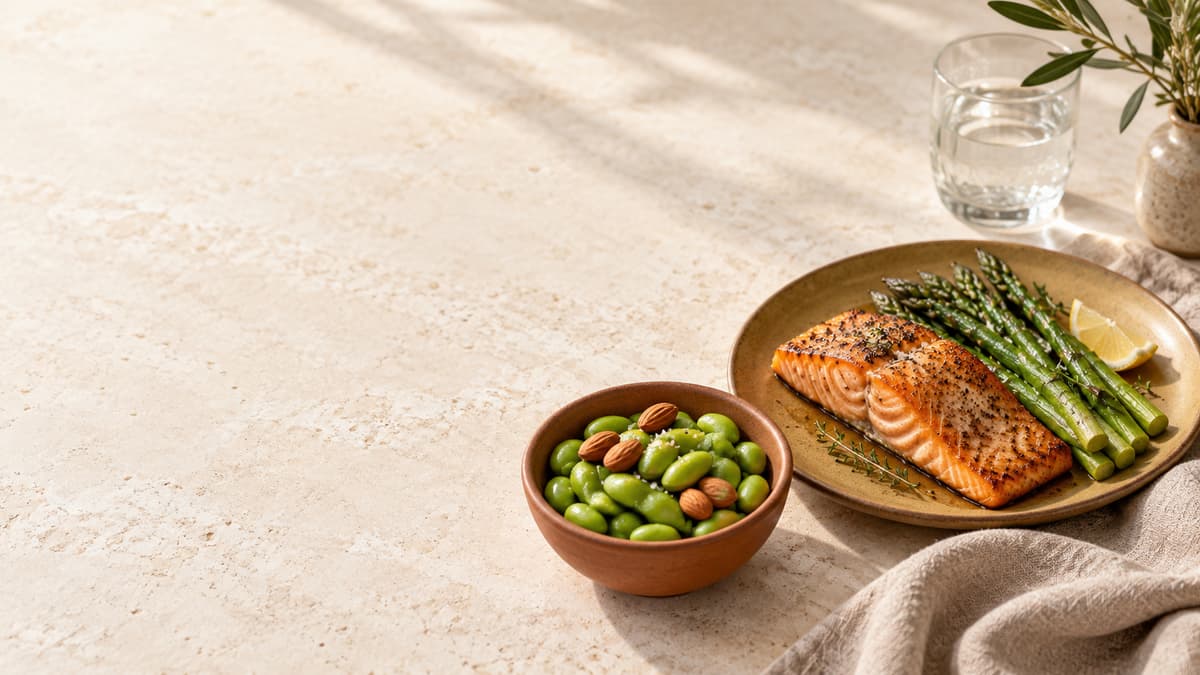
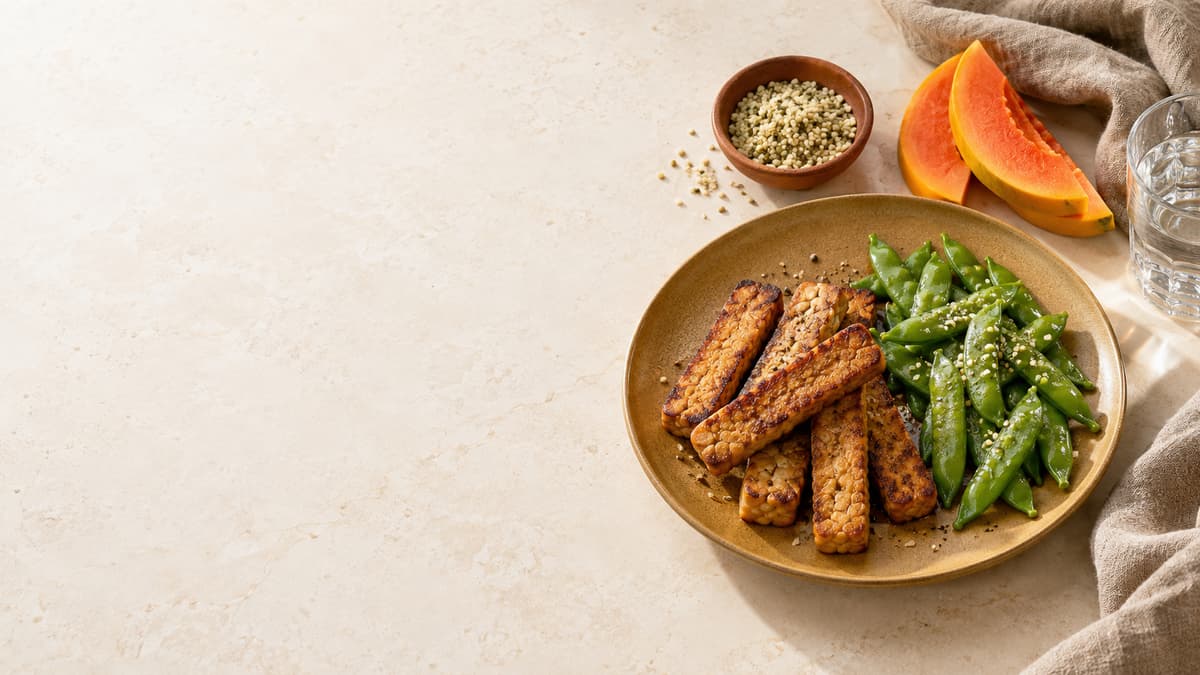
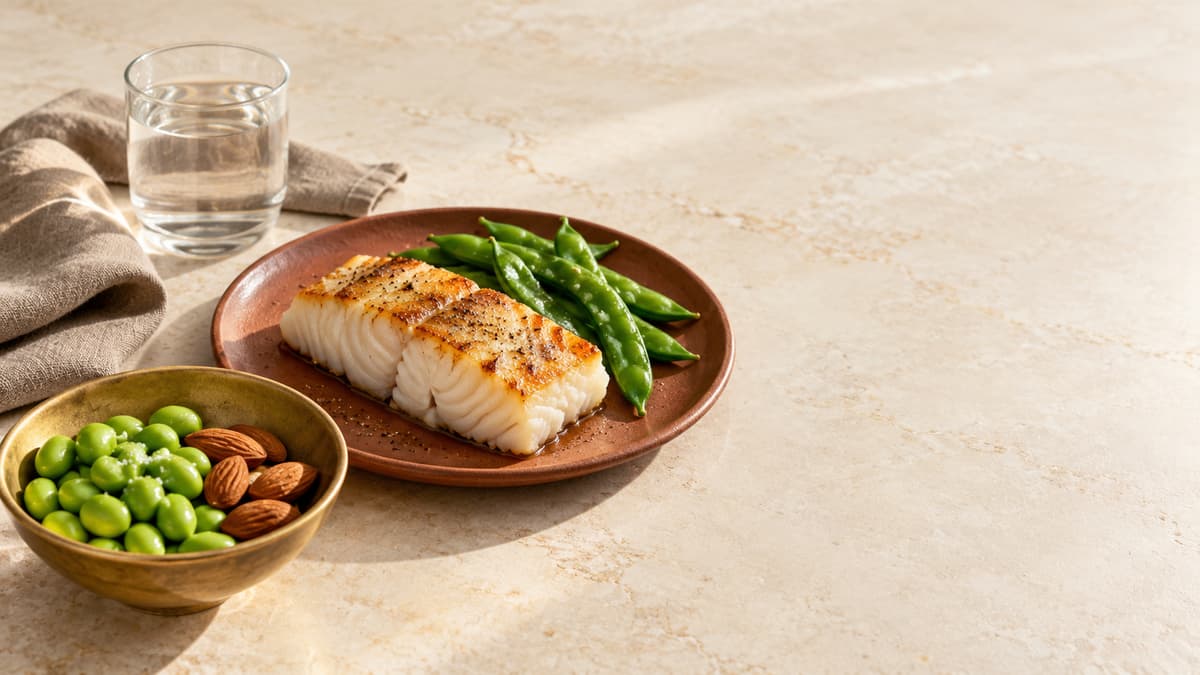
- Prioritize lean proteins: Choose grilled fish, poultry, or tofu to ensure you are losing fat while protecting lean muscle, energy, and health.
- Manage appetite signals: A 2022 randomized controlled trial in Nutrients suggests that higher protein diets may promote satiety independently of carbohydrate content.
- Balance the plate: Pair your protein with high-fiber vegetables to further enhance the feeling of fullness.
Why does protein help with satiety when dining out?
Protein influences appetite and energy expenditure, making it easier to stick to weight loss goals. A 2016 randomized crossover study in Nutrients examined how dietary protein source and quantity affect appetite and cardio-metabolic responses during weight loss.
When eating out while losing weight, the environment often encourages overeating. By securing a significant protein portion first, you reduce the likelihood of making impulsive, high-calorie choices. If you struggle with cravings, it may be helpful to look into how to stop emotional eating while losing fat to better distinguish between physical hunger and emotional triggers.
How do I choose high-protein options when eating out?
Select dishes where the protein is the primary component and avoid those with heavy breading or sugary glazes. Look for keywords like "grilled," "steamed," "roasted," or "seared" on the menu to ensure the protein quality remains high and additives remain low.
If you feel your body doesn't seem to respond to your usual healthy habits, evaluating the protein-to-calorie ratio of your restaurant choices can provide the necessary adjustment to restart your progress.
Keep exploring
Gain more insight into managing your habits by learning how to stop emotional eating while losing fat and preserving lean muscle.
How much protein do I need to feel full while losing weight?
Increasing dietary protein is essential for promoting satiety and protecting lean muscle. While specific amounts vary by individual, focusing on high-protein interventions is linked to more successful body weight management.
What happens if I don't eat enough protein while losing weight?
Insufficient protein intake can lead to a lack of satiety, making you feel as if you aren't eating enough at all, and may result in the loss of lean muscle rather than just fat.
Can I still eat out while losing weight and stay full?
Yes, by prioritizing protein-dense main courses and pairing them with vegetables, you can maintain satiety and protect your metabolic health while dining at restaurants.
Why does my body not respond to healthy eating?
If you eat well but your body doesn't seem to respond, it may be due to an imbalance in macronutrients, such as not consuming enough protein to support lean muscle and energy levels.
Does the source of protein matter for satiety?
Yes, the quantity and source of protein can influence appetite and energy expenditure, which is critical for maintaining a caloric deficit without excessive hunger.
How this connects to the rest of the cluster
- Body Composition vs Scale Weight: Why Your Weight Returns After Every Diet
- How to Lose Fat Without Losing Muscle: The Role of Protein Satiety
- How Much Protein Do I Need Per Day to Build Muscle and Improve Body Composition?
- How Much Protein Should Women Eat After Menopause to Prevent Muscle Loss?
- How Many Extra Calories Do I Need While Breastfeeding and Which Postpartum Supplements Support Recovery?
- How Protein Distribution Across Meals Impacts Muscle Growth and Performance
References
Are Dietary Proteins the Key to Successful Body Weight Management? A Systematic Review and Meta-Analysis of Studies Assessing Body Weight Outcomes after Interventions with Increased Dietary Protein. (Nutrients, 2021) — https://pubmed.ncbi.nlm.nih.gov/34579069/
Does a Higher Protein Diet Promote Satiety and Weight Loss Independent of Carbohydrate Content? An 8-Week Low-Energy Diet (LED) Intervention. (Nutrients, 2022) — https://pubmed.ncbi.nlm.nih.gov/35276894/
Effects of Dietary Protein Source and Quantity during Weight Loss on Appetite, Energy Expenditure, and Cardio-Metabolic Responses. (Nutrients, 2016) — https://pubmed.ncbi.nlm.nih.gov/26821042/