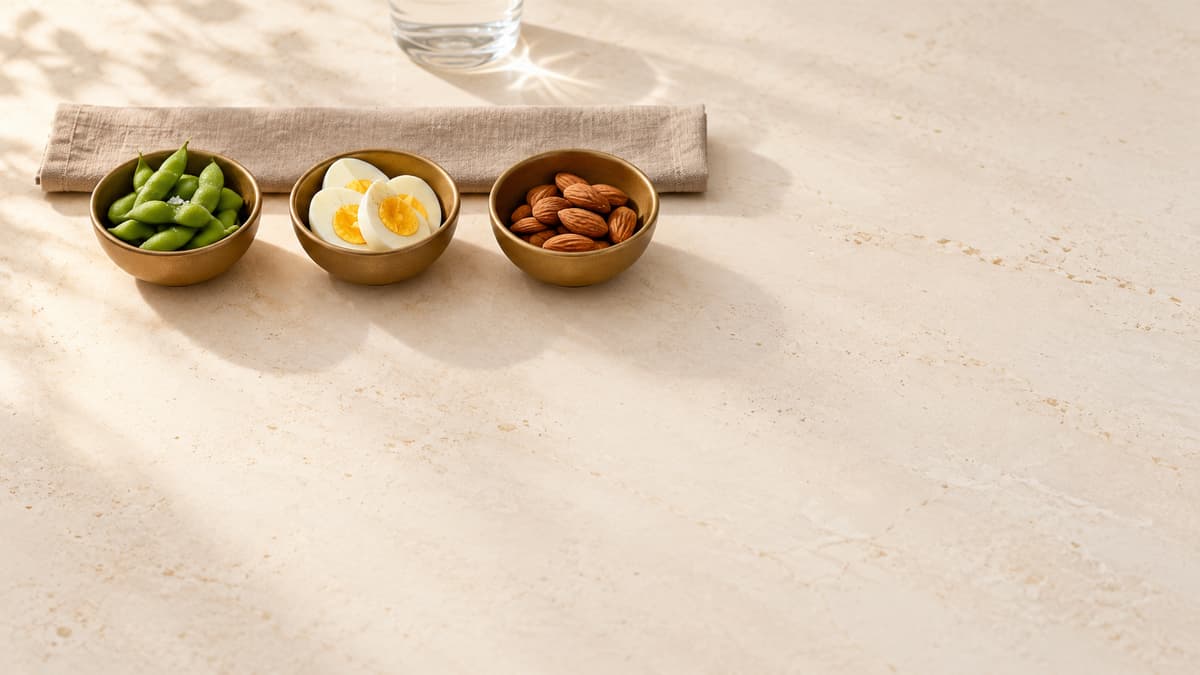
How to Stop Emotional Eating While Losing Fat and Preserving Lean Muscle
Part of How to Lose Fat Without Losing Muscle: The Role of Protein Satiety
To stop emotional eating, focus on identifying triggers—which often increase when life gets busy—and implementing structured nutritional support. By combining behavioral consistency with a high-protein diet and resistance exercise, you can manage stress-induced cravings while losing fat and protecting lean muscle, energy, and health.
How can I lose fat without losing muscle?
Losing fat while protecting lean muscle requires a combination of a caloric deficit, high protein intake, and intense exercise. This approach ensures that weight loss comes primarily from fat stores rather than functional muscle tissue, preserving overall metabolic health and energy.
Maintaining muscle mass during a fat loss phase is critical for longevity and performance. A 2016 randomized trial published in The American Journal of Clinical Nutrition found that higher compared with lower dietary protein during an energy deficit combined with intense exercise promotes greater lean mass gain and fat mass loss.
Furthermore, specialized nutritional support can assist in this process. A 2026 randomized controlled trial in the Journal of Cachexia, Sarcopenia and Muscle demonstrated that Calcium Beta-Hydroxy-Beta-Methylbutyrate-enriched nutritional supplementation during dietary weight loss in adults with obesity helped protect muscle integrity.
Why does emotional eating increase during busy periods?
Emotional or stress eating typically shows up when life gets busy, as the brain seeks quick energy or comfort to cope with increased cortisol and psychological pressure. This often leads to a cycle of inconsistent dietary habits.
It is important to recognize that these patterns are often complex. The World Health Organization classifies obesity as a chronic, relapsing disease arising from complex interactions between genetics, neurobiology, eating behaviours, and access to a healthy diet.
- Stress Triggers: High-pressure environments can override satiety signals.
- Consistency Gaps: Busy schedules often lead to skipped meals, increasing the likelihood of binge eating later.
- Neurobiological Drivers: The interaction between stress hormones and eating behaviors can make emotional eating feel instinctive.
How to stop emotional eating through nutritional structure?
Stopping emotional eating involves replacing reactive habits with a consistent, personalized meal plan that provides the necessary nutrients to stabilize mood and energy throughout the day.
Implementing a structured approach helps mitigate the "all-or-nothing" mentality. Support for emotional eating patterns and consistency allows individuals to maintain their dietary efforts even when external stress increases. By stabilizing blood sugar and ensuring adequate protein intake, the physiological drive to seek high-calorie comfort foods is reduced.
What is the relationship between eating behaviors and fasting?
Certain eating patterns, such as intermittent fasting, are explored to manage appetite and behavioral habits, though results can vary based on the individual's psychological relationship with food.
For instance, a 2025 randomized controlled trial published in Nutrients examined the effects of 4:3 intermittent fasting on eating behaviors and appetite hormones as part of a behavioral weight loss intervention, highlighting the role of structured timing in managing appetite.
How this connects to the rest of the cluster
Frequently Asked Questions
How can I lose fat without losing muscle?
You can lose fat without losing muscle by maintaining a high-protein diet and engaging in intense exercise while in a caloric deficit, which protects lean mass and preserves energy.
Does stress increase the urge to eat?
Yes, emotional or stress eating commonly shows up when life gets busy, often driven by a combination of neurobiology and eating behaviors.
Can a meal plan help with emotional eating?
Yes, personalized meal plan services can provide necessary support for emotional eating patterns and improve overall consistency.
Is obesity considered a simple lack of willpower?
No, the World Health Organization classifies obesity as a chronic, relapsing disease involving genetics, neurobiology, and environmental factors.
Which nutrients help preserve muscle during weight loss?
High dietary protein is essential, and certain supplements, such as Calcium Beta-Hydroxy-Beta-Methylbutyrate, have been shown in RCTs to support muscle preservation during weight loss.
References
- Higher compared with lower dietary protein during an energy deficit combined with intense exercise promotes greater lean mass gain and fat mass loss (The American Journal of Clinical Nutrition, 2016) — https://pubmed.ncbi.nlm.nih.gov/26817506/
- Calcium Beta-Hydroxy-Beta-Methylbutyrate-Enriched Nutritional Supplementation During Dietary Weight Loss in Adults With Obesity: A Randomized Controlled Trial (Journal of cachexia, sarcopenia and muscle, 2026) — https://pubmed.ncbi.nlm.nih.gov/42444106/
- Effects of 4:3 Intermittent Fasting on Eating Behaviors and Appetite Hormones: A Secondary Analysis of a 12-Month Behavioral Weight Loss Intervention (Nutrients, 2025) — https://pubmed.ncbi.nlm.nih.gov/40733010/