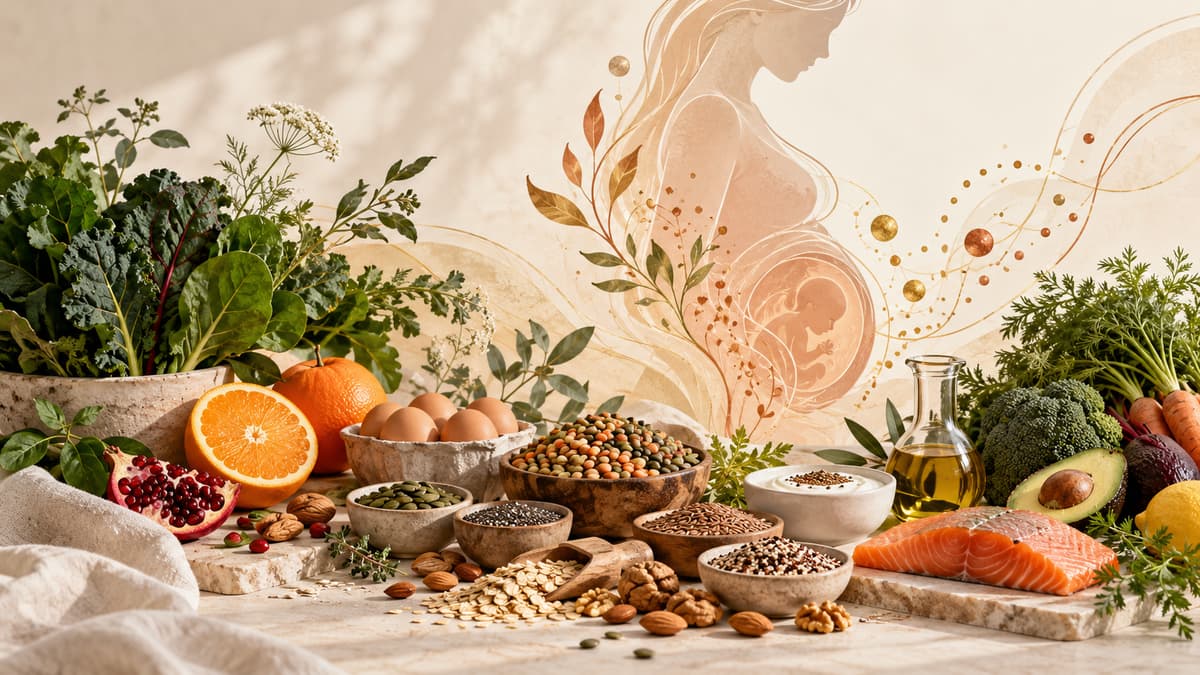
What Should I Eat During Pregnancy? The Comprehensive Evidence-Based Guide to Pregnancy Nutrition
Part of Prenatal Vitamin What to Look For: A Guide to Evidence-Based Nutrient Selection · What Should I Eat During Pregnancy? The Comprehensive Evidence-Based Guide to Pregnancy Nutrition

Pregnancy nutrition is the strategic intake of macro- and micronutrients designed to support the physiological demands of fetal development and maternal health. It focuses on nutrient density, targeted supplementation of folic acid and iron, and balanced caloric intake to ensure optimal outcomes for both the parent and the child.
What Exactly is Pregnancy Nutrition?
Pregnancy nutrition refers to the specialized dietary approach and nutrient management required to support the unique biological processes of gestation, birth, and the subsequent postpartum recovery period.
At its core, this discipline moves beyond basic caloric intake to focus on the bioavailability and timing of specific nutrients. The body undergoes profound changes during pregnancy, including increased blood volume, altered metabolic rates, and a heightened demand for specific vitamins and minerals to build fetal organs, skeletal structures, and neurological pathways. Nutrition during this window is not merely about "eating for two," but rather about eating twice as nutrient-dense to meet these accelerated biological requirements.
A functional approach to maternal diet considers the interplay between systemic health and fetal growth. This involves optimizing the intake of proteins for tissue growth, healthy fats for brain development, and a spectrum of micronutrients that act as cofactors for enzymatic reactions essential to life. It also encompasses the management of common gestational challenges, such as nausea or cravings, through evidence-based dietary adjustments that maintain glycemic stability and nutrient absorption.
Furthermore, pregnancy nutrition extends into the preconception phase—preparing the body's nutrient stores—and the postpartum phase, where the focus shifts to tissue repair and the nutritional demands of lactation. By viewing this as a continuous spectrum of nourishing support before, during, and after baby, practitioners can help ensure that the maternal body remains resilient throughout the entire reproductive journey.
Is it really about eating for two?
The common phrase "eating for two" is often misunderstood as a mandate to double caloric intake. In reality, the increase in energy needs is modest and occurs primarily in the second and third trimesters. The emphasis should remain on the quality of calories. For instance, increasing the intake of omega-3 fatty acids and choline is far more critical for fetal brain development than simply increasing total calorie counts. The goal is to maximize the nutrient-to-calorie ratio, ensuring that every additional calorie provides a functional benefit to the developing fetus and the mother's longevity.
Which nutrients are non-negotiable?
While a diverse diet is the foundation, certain nutrients are critical. Folic acid (or folate) is essential for preventing neural tube defects, especially in the early weeks of pregnancy. Iron is required to support the massive expansion of maternal blood volume and the oxygenation of the placenta. Calcium and vitamin D are necessary for the development of the fetal skeleton. When these are lacking in the diet, the body may draw from maternal stores, which can compromise the mother's long-term health, making targeted nutritional support, such as evidence-based nutrient selection, a priority.
Why Prioritizing Maternal Nutrition is Urgent Now
The urgency of optimized pregnancy nutrition stems from the concept of fetal programming, where the nutritional environment in the womb can influence the child's lifelong health trajectories, including metabolic and cognitive outcomes.
Modern diets are often calorie-rich but nutrient-poor, leading to a prevalence of "hidden hunger"—where an individual meets their energy needs but remains deficient in critical micronutrients. In the context of pregnancy, these deficiencies can be amplified. For example, widespread iron deficiency can lead to maternal anemia, increasing the risk of preterm birth and low birth weight. The systemic pressure on the maternal body is immense, and without a proactive, evidence-based approach, the risk of depletion is high.
Moreover, there is an increasing recognition of the long-term impact of prenatal nutrition on chronic disease prevention. Research into the developmental origins of health and disease (DOHaD) suggests that maternal nutrition can modulate the epigenetic expression of genes in the offspring, potentially affecting their risk for obesity, type 2 diabetes, and cardiovascular disease in adulthood. This makes the window of pregnancy one of the most critical interventions for longevity and performance for the next generation.
The complexity of modern food systems—characterized by processed oils and refined sugars—further complicates the landscape. Many expectant parents are overwhelmed by contradictory advice, ranging from restrictive diets to unregulated supplement trends. There is a critical need for a functional, integrative approach that translates clinical evidence into practical, sustainable habits that prioritize bioavailable nutrients over empty calories.
The risk of micronutrient depletion
During pregnancy, the body's demand for certain minerals increases significantly. If the diet is insufficient, the fetus will prioritize its own needs by extracting nutrients from the mother's tissues. This can lead to the depletion of maternal bone density (if calcium is low) or cognitive fatigue and mood instability (if iron and B vitamins are low). Addressing these needs urgently prevents the mother from entering the postpartum period in a state of nutritional bankruptcy, which can exacerbate postpartum depression and fatigue.
Addressing the gap in standard care
While standard prenatal care provides basic vitamins, it often lacks the personalized nutritional guidance required to optimize performance and longevity. A generic approach may not account for individual absorption issues, pre-existing deficiencies, or specific dietary restrictions. By shifting the focus toward integrative nutrition, we can move from merely avoiding deficiency to actively optimizing the biological environment for the baby's growth.
How Evidence-Based Nutrition Guidelines are Established
Guidelines for pregnancy nutrition are established through a hierarchy of clinical evidence, prioritizing systematic reviews, meta-analyses, and randomized controlled trials (RCTs) to determine the efficacy of specific nutrients.
The gold standard for determining nutritional requirements involves meta-analyses, which aggregate data from multiple studies to find a consensus. For example, a 2019 meta-analysis published in The Cochrane database of systematic reviews investigated multiple-micronutrient supplementation for women during pregnancy, providing a high-level overview of how combined supplements compare to single-nutrient interventions (Keats EC et al., 2019). This level of evidence allows practitioners to move beyond anecdotal advice and implement strategies that have been statistically validated across diverse populations.
Another critical aspect of evidence-based guidance is the use of systematic reviews to assess the impact of education on nutritional compliance. A 2025 meta-analysis in Nutrition Reviews highlighted that nutrition education during pregnancy significantly improves compliance with iron-folic acid supplementation and reduces the prevalence of anemia, particularly in low- and middle-income contexts (Engidaw MT et al., 2025). This demonstrates that the delivery of information is just as important as the nutrient itself; understanding the "why" behind a dietary choice leads to better clinical outcomes.
Practitioners also rely on Cochrane reviews to evaluate the safety and efficacy of specific interventions. For instance, rigorous analysis of daily oral iron supplementation helps determine the balance between preventing anemia and avoiding the gastrointestinal side effects often associated with high-dose iron (Finkelstein JL et al., 2024). These reviews use GRADE quality grading to ensure that the certainty of the evidence is transparent, allowing for nuanced recommendations based on the strength of the data.
The role of observational studies
While meta-analyses provide the strongest evidence, observational cohort studies often provide the first clues about nutritional associations. These studies might show that women who consume higher amounts of a certain food have lower rates of a specific complication. However, it is vital to remember that these show association, not causation. A functional practitioner uses these associations as hypotheses to be tested against higher-level evidence before making definitive clinical recommendations.
Integrating clinical data with individual bio-individuality
Evidence-based nutrition is not a one-size-fits-all prescription. The clinical data provides the framework, but the application must be personalized. Bio-individuality—including genetics, current health status, and gut health—determines how a person absorbs and utilizes nutrients. An evidence-based approach means using the data to identify the necessary targets and then tailoring the food sources and supplement forms to the individual's specific physiological needs.
How Pregnancy Nutrition Differs from Standard Dietary Advice
Pregnancy nutrition differs from standard dietary advice by shifting the focus from weight maintenance and general health to the targeted support of rapid cellular proliferation and organogenesis.
Standard dietary advice for adults typically emphasizes balance and the prevention of chronic disease through caloric control and macronutrient ratios. In contrast, pregnancy nutrition is a period of high metabolic demand where the primary goal is the successful development of a new human life. This requires a strategic increase in specific vitamins and minerals that may not be as critical in a non-pregnant adult. For example, while folate is important for everyone, its role in closing the neural tube during the first few weeks of gestation makes it a critical priority during the preconception and early pregnancy phases.
Another key difference is the management of food safety and toxicity. In a general diet, a small amount of a certain food might be negligible. During pregnancy, the threshold for risk changes. The focus on avoiding high-mercury fish or unpasteurized products is not about general health, but about protecting the developing fetus from neurotoxins or pathogens that could cross the placental barrier. The nutritional strategy becomes one of "optimization and protection" rather than just "maintenance."
Moreover, the timing of nutrients becomes paramount. In standard nutrition, the daily total is often the focus. In pregnancy, the trimester-specific needs vary. The first trimester may require a greater focus on folate and managing nausea; the second trimester may see an increased demand for calcium and iron as the fetus grows rapidly; the third trimester focuses on preparing for birth and supporting the final stages of brain and lung development. This temporal approach is entirely distinct from the steady-state dietary patterns recommended for the general population.
Focus on nutrient density vs. caloric volume
Generic health advice often focuses on "calories in vs. calories out." In pregnancy nutrition, this metric is secondary to nutrient density. A woman might be meeting her caloric needs but remaining deficient in choline—a nutrient critical for fetal brain development. The functional approach prioritizes "nutrient-dense" foods (like eggs, leafy greens, and wild-caught fish) over "calorie-dense" foods (like refined carbohydrates), ensuring that the baby receives the raw materials needed for growth without excessive maternal weight gain.
Managing glycemic response
Standard dietary advice for blood sugar management is different for pregnant women due to the hormonal shifts that affect insulin sensitivity. The risk of gestational diabetes makes the management of glycemic load a priority. Instead of just reducing sugar, pregnancy nutrition focuses on pairing carbohydrates with proteins and fats to flatten the glucose curve, supporting both fetal growth and maternal metabolic stability.
The Structure of an Optimized Pregnancy Diet
An optimized pregnancy diet is structured around three pillars: nutrient-dense whole foods, targeted micronutrient support, and the management of metabolic stability to support both mother and baby.
What are the best macronutrient ratios?
While exact ratios vary by individual, the focus should be on high-quality sources. Proteins are the building blocks of fetal tissue; prioritizing lean meats, legumes, and eggs ensures a steady supply of amino acids. Healthy fats, particularly omega-3s (DHA and EPA), are essential for the baby's brain and retina development. Complex carbohydrates—such as quinoa, sweet potatoes, and berries—provide the necessary glucose for the brain while offering fiber to mitigate the common pregnancy symptom of constipation.
How should micronutrients be prioritized?
Micronutrients should be viewed in a tiered priority system. The first tier includes the essential "preventative" nutrients like folic acid and iron, which are critical for avoiding major developmental issues and maternal anemia. The second tier involves "optimization" nutrients like choline, iodine, and omega-3s, which support cognitive function and thyroid health. The third tier focuses on "supportive" nutrients like magnesium and vitamin B6, which can help manage muscle cramps and morning sickness. This structured approach ensures that critical needs are met first, followed by enhancements for performance and longevity.
How to organize meals for maximum absorption?
Timing and pairing are key to maximizing the bioavailability of nutrients. For example, taking iron supplements or eating iron-rich foods (like spinach or red meat) alongside vitamin C (like citrus fruits) significantly enhances absorption. Conversely, taking iron with calcium or caffeine can inhibit its uptake. Structuring meals to avoid these conflicts ensures that the maternal body actually utilizes the nutrients consumed, rather than simply passing them through the digestive tract.
Managing common pregnancy dietary challenges
The structure must be flexible enough to handle the realities of pregnancy. For those experiencing severe nausea in the first trimester, the focus shifts to small, frequent meals and "safe" nutrient-dense foods like ginger tea, cold proteins, or smoothies. As the baby grows and compresses the stomach in the third trimester, the strategy moves toward smaller, more frequent portions of calorie-dense, nutrient-rich foods to avoid heartburn while maintaining energy levels.
A Worked Example: A Day of Nutrient-Dense Eating
To illustrate how these principles translate into practice, we can look at a hypothetical day of eating for a woman in her second trimester focusing on maximizing nutrient density and fetal support.
What does a nutrient-dense breakfast look like?
A powerful start to the day would be two poached eggs served over a bed of sautéed spinach and avocado on a slice of sprouted grain toast. The eggs provide choline and high-quality protein; the spinach offers folate and non-heme iron; the avocado provides healthy monounsaturated fats and potassium; and the sprouted grain toast provides complex carbohydrates and B vitamins. To enhance iron absorption from the spinach, she might pair this with a small glass of water with a squeeze of lemon or a few slices of orange.
How to structure a stabilizing lunch?
For lunch, a wild-caught salmon salad with mixed greens, walnuts, pumpkin seeds, and a lemon-olive oil dressing is ideal. Salmon provides critical DHA for fetal brain development; walnuts and pumpkin seeds add additional omega-3s, magnesium, and zinc; and the olive oil ensures the absorption of fat-soluble vitamins (A, D, E, and K). Adding a side of berries provides antioxidants and fiber, helping to maintain stable blood sugar levels and prevent the afternoon energy crash.
What is an ideal nutrient-rich dinner?
A dinner of grass-fed beef or lentil stew with carrots, celery, and sweet potatoes, served with a side of steamed broccoli, provides a concentrated dose of iron, zinc, and vitamin A. The protein source supports tissue growth, while the root vegetables provide the necessary glucose for the developing fetus. The broccoli adds calcium and vitamin K. To ensure the iron is well-absorbed, the meal is kept free of heavy dairy products, which could compete for absorption.
Smart snacking for pregnancy energy
Between meals, snacks should be functional rather than empty. A Greek yogurt with chia seeds and blueberries provides calcium, probiotics for gut health, and anthocyanins for oxidative stress protection. Alternatively, raw almonds and an apple provide a balance of healthy fats, protein, and fiber. This approach ensures a steady stream of nutrients throughout the day, avoiding the glucose spikes and dips that can lead to fatigue and cravings.
How to Measure the Outcome of Pregnancy Nutrition
Measuring the success of a pregnancy nutrition strategy involves a combination of clinical biomarkers, maternal physiological markers, and fetal growth milestones.
The most direct way to measure nutritional adequacy is through clinical blood work. Hemoglobin and ferritin levels are monitored to ensure that iron stores are sufficient and that anemia is avoided. This is critical because, as noted in the research on oral iron supplementation (Finkelstein JL et al., 2024), maintaining these levels is essential for maternal health and fetal oxygenation. Additionally, monitoring blood glucose levels through glucose tolerance tests helps determine if the nutritional strategy is successfully managing the risk of gestational diabetes.
Maternal physiological markers also provide real-time feedback. Stable energy levels, the absence of severe muscle cramps, and a healthy mood are qualitative indicators that micronutrient needs (such as magnesium and B vitamins) are being met. The management of weight gain—tracking that it stays within a healthy range relative to the starting BMI—indicates that the balance between caloric intake and nutrient density is correct.
Fetal outcomes are the ultimate measure. Regular ultrasound measurements of fetal growth, placental health, and amniotic fluid levels provide evidence that the nutrients are successfully crossing the placenta. A healthy birth weight and the absence of congenital anomalies related to nutrient deficiencies (such as neural tube defects) validate the effectiveness of the preconception and prenatal nutritional strategy.
Using postpartum recovery as a retrospective measure
The speed and quality of postpartum recovery are also indicative of prenatal nutrition. A woman who entered birth with optimal nutrient stores typically experiences more efficient tissue repair and has a more robust energy reserve for the demanding early days of motherhood. If a mother experiences extreme depletion or severe postpartum fatigue, it may indicate that the prenatal nutritional support was insufficient to cover both the baby's growth and the mother's own physiological reserves.
The role of the birth outcome
While many factors influence birth, the absence of nutrition-related complications—such as low birth weight or preterm birth associated with severe anemia—is a strong marker of success. When the maternal body is well-nourished, it is better equipped to handle the physical stress of labor and delivery, which is a final, critical measure of the overall nutritional strategy's impact on performance and longevity.
Keep Exploring Maternal Wellness
The journey of maternal health is continuous, starting with the preparation of the body and extending far beyond the delivery room. For those seeking comprehensive support, focusing on nourishing support before, during and after baby ensures that the transition into parenthood is backed by physiological resilience and optimal nutrition.
How this connects to the rest of the cluster
Frequently Asked Questions About Pregnancy Nutrition
What should I eat during pregnancy?
Focus on a nutrient-dense diet featuring high-quality proteins (eggs, lean meats), healthy fats (salmon, avocado), and complex carbohydrates (sweet potatoes, berries). Prioritize folate-rich leafy greens and iron-dense foods, while ensuring a balance of micronutrients through whole foods and evidence-based supplementation to support fetal development and maternal health.
Are prenatal vitamins enough on their own?
While prenatal vitamins provide a safety net for critical nutrients like folic acid and iron, they are not a replacement for whole foods. Whole foods provide essential fiber, phytonutrients, and synergistic compounds that enhance the absorption of vitamins. Supplements should complement a nutrient-dense diet, not serve as the primary source of nourishment.
Which foods should I absolutely avoid?
Avoid high-mercury fish (like king mackerel), unpasteurized dairy products, and raw or undercooked meats and seafood. These foods carry risks of neurotoxins or bacterial contamination (such as Listeria) that can cross the placenta and potentially harm the developing fetus, making food safety a priority over flavor.
How can I manage morning sickness through diet?
Try eating small, frequent meals instead of three large ones to keep the stomach from being completely empty. Focus on bland, nutrient-dense options like ginger tea, cold proteins, or smoothies. Pairing carbohydrates with protein can also help stabilize blood sugar, which may reduce the intensity of nausea.
Is it okay to drink coffee during pregnancy?
Moderate caffeine intake is generally considered acceptable, but it is recommended to limit it to ensure it does not interfere with the absorption of key nutrients like iron. Opting for decaf or limiting intake to one small cup can help maintain maternal energy without risking fetal overstimulation or nutrient depletion.
Summary of Evidence-Based Pregnancy Nutrition
Pregnancy nutrition is a strategic, evidence-based approach to eating that prioritizes nutrient density over simple caloric volume to support the immense biological demands of gestation. By focusing on critical micronutrients such as folate and iron, and utilizing a structured approach to macronutrients, expectant parents can optimize the developmental environment for their child and protect their own long-term health. The integration of clinical evidence—such as meta-analyses on supplementation and nutrition education—allows for a personalized strategy that addresses bio-individuality while adhering to rigorous safety and efficacy standards. Ultimately, viewing nutrition as a spectrum that encompasses preconception, pregnancy, and postpartum recovery ensures a foundation of longevity and performance for both the parent and the next generation. See also: How to Use Postpartum Fatigue Food to Restore Energy and When to Address Weight After Birth.
References
- Multiple-micronutrient supplementation for women during pregnancy. (The Cochrane database of systematic reviews, 2019) — https://pubmed.ncbi.nlm.nih.gov/30873598/
- Effect of Nutrition Education During Pregnancy on Iron-Folic Acid Supplementation Compliance and Anemia in Low- and Middle-Income Countries: A Systematic Review and Meta-analysis. (Nutrition reviews, 2025) — https://pubmed.ncbi.nlm.nih.gov/39545365/
- Daily oral iron supplementation during pregnancy. (The Cochrane database of systematic reviews, 2024) — https://pubmed.ncbi.nlm.nih.gov/39145520/