Eating Healthy on Business Travel: Strategies for Body Composition and Energy Without Restrictive Dieting
Part of Men's Nutrition for Energy: The Complete Guide to Fueling Workday Performance and Long-Term Vitality

Eating healthy on business travel involves prioritizing a variety of minimally processed and unprocessed foods low in free sugars, sodium, and unhealthy fats. By focusing on the core principles of adequacy, balance, moderation, and diversity, busy adults can maintain their body composition and cognitive performance without relying on restrictive diets.
Who Struggles with Travel-Based Nutrition and Why?
This problem primarily affects high-performing, active adults and busy individuals who face frequent changes in environment, schedule, and food availability. These individuals often struggle to balance demanding agendas with the biological need for nutrient-dense fuel, leading to a reliance on convenient but ultra-processed options.
For the busy man, the challenge is compounded by the desire to maintain lean muscle mass and low body fat while navigating airport terminals, hotel breakfasts, and client dinners. When the environment shifts from a controlled home kitchen to a series of unpredictable dining scenarios, the ability to maintain a consistent nutritional baseline diminishes. This is not a failure of will, but a conflict between a high-pressure environment and the requirements of evidence-based nutrition for longevity, specifically fueling workday performance and long-term vitality. The result is often a cycle of erratic energy levels, poor sleep, and a gradual shift in body composition that impacts both confidence and physical performance.
The Cost of Neglecting Nutrition During Travel
Ignoring nutritional foundations while traveling creates a compounding deficit in both physical health and performance. When a person relies on ultra-processed foods high in sodium and free sugars, they are not merely risking temporary weight gain; they are impacting the neurobiological and metabolic systems that drive their success.
From a clinical perspective, consistently poor dietary choices can contribute to the development of obesity, which the World Health Organization (WHO) classifies as a chronic, relapsing disease arising from complex interactions between genetics, neurobiology, and eating behaviors. For an active adult, this means a decrease in energy, slower recovery times, and a decline in cognitive clarity. The metabolic cost of high-sodium, high-sugar travel diets often manifests as systemic inflammation and insulin instability, which can impair focus, mood, and the energy needed for daily life.
Furthermore, the lack of dietary diversity and adequacy during travel can lead to micronutrient gaps. When the foundation of the diet shifts away from unprocessed foods, the body loses the essential building blocks required for hormonal balance and cellular repair. For men focusing on energy and recovery, this depletion can lead to burnout and a decrease in physical capacity, making it harder to maintain a healthy body composition once they return to their home routine.
How to Maintain Your Body Composition While Traveling
Prioritize minimally processed food sources
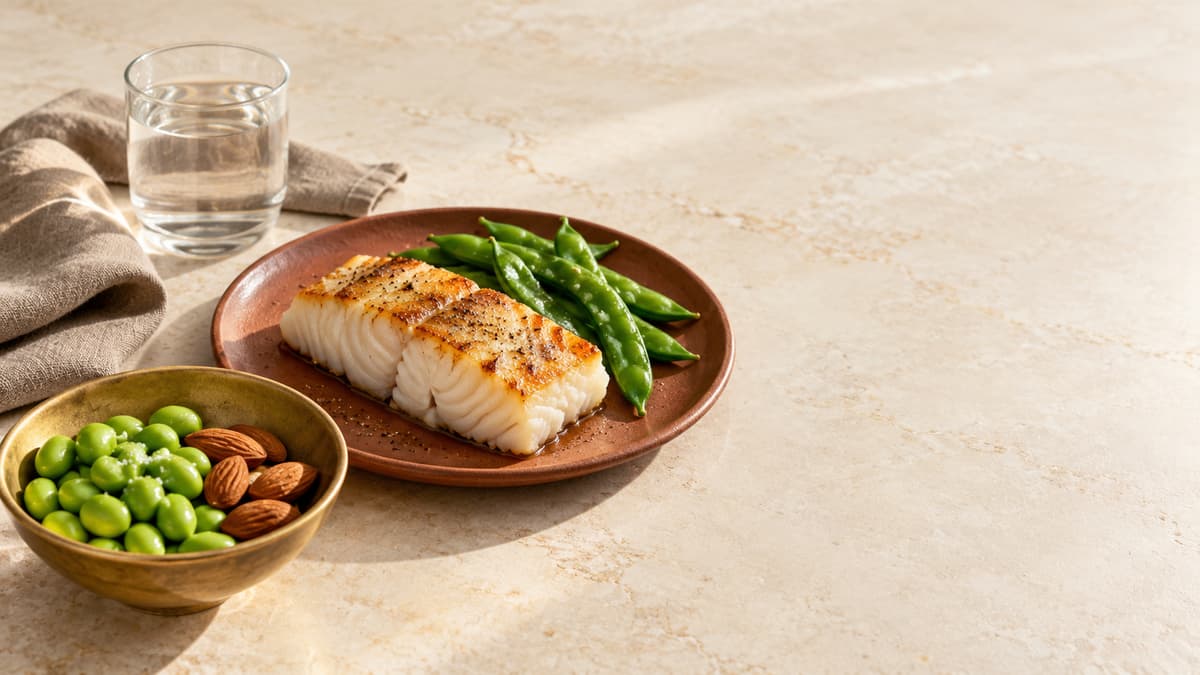
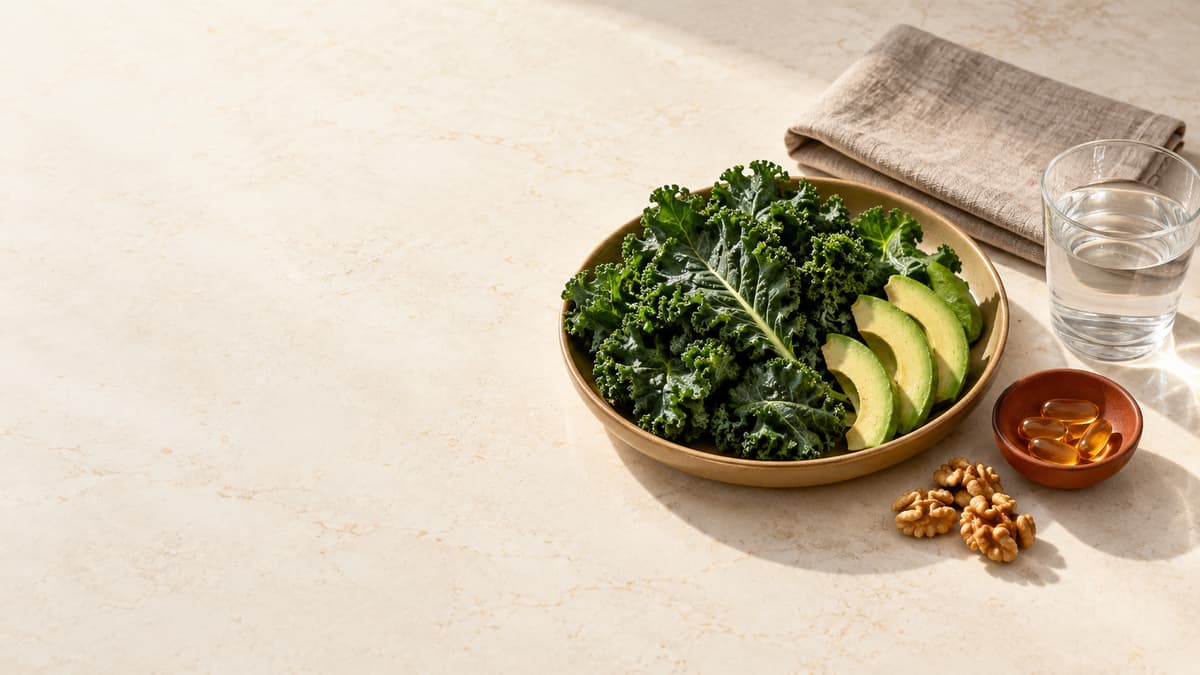
The foundation of any healthy diet must be a variety of minimally processed and unprocessed foods that are low in unhealthy fats, free sugars, and sodium. When navigating travel menus, the goal is to identify the "least processed" version of a meal. This means choosing grilled proteins over fried ones, fresh vegetables over canned or glazed options, and whole fruits over processed desserts. A 2025 randomized crossover trial published in Nature Medicine highlighted that diets following healthy guidelines and focusing on minimally processed foods have a positive impact on weight and cardiometabolic health compared to ultra-processed alternatives (Nature Medicine, 2025). By shifting the focus toward these whole foods, you provide your body with the necessary nutrients for recovery without the inflammatory load of additives.
Implement the four core principles of balance
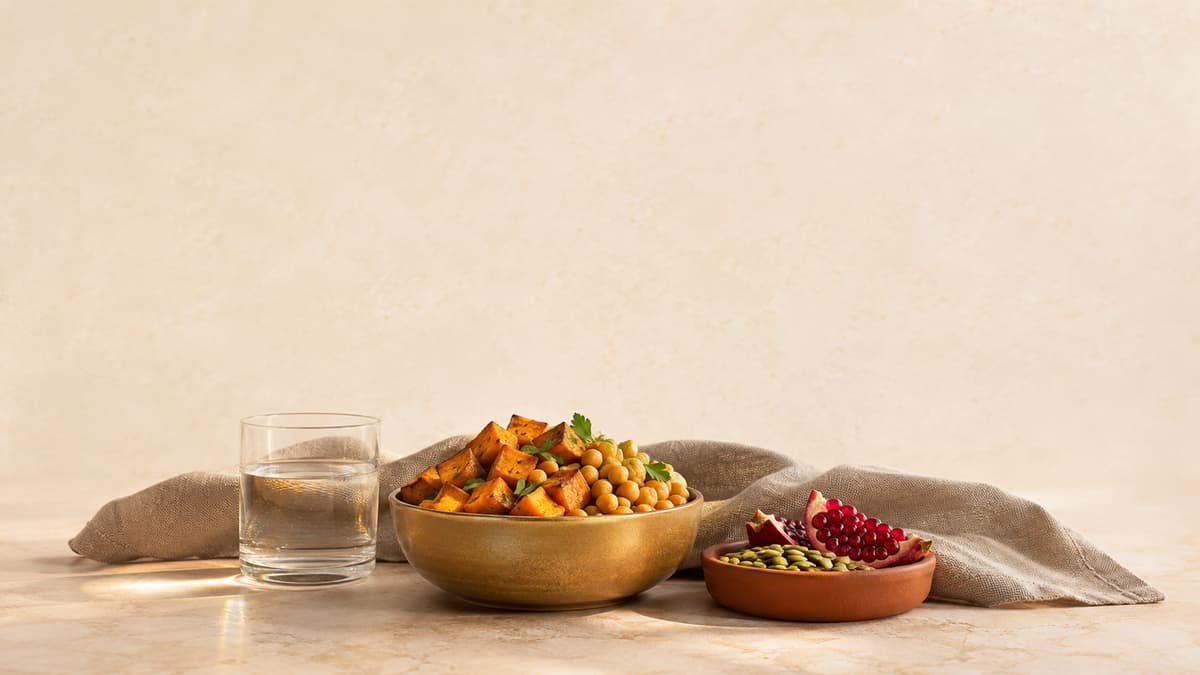
To avoid the trap of restrictive dieting, apply the principles of adequacy, balance, moderation, and diversity. Adequacy ensures you are getting enough calories and nutrients to support your activity level; balance ensures a proper ratio of macronutrients; moderation prevents excesses in sugars and fats; and diversity ensures a wide spectrum of micronutrients. Instead of eliminating entire food groups, focus on integrating a diversity of vegetables and proteins at every meal. This approach supports sustainable body composition change without requiring another restrictive diet, allowing you to navigate social dinners without feeling deprived or socially isolated.
Optimize protein intake for muscle preservation
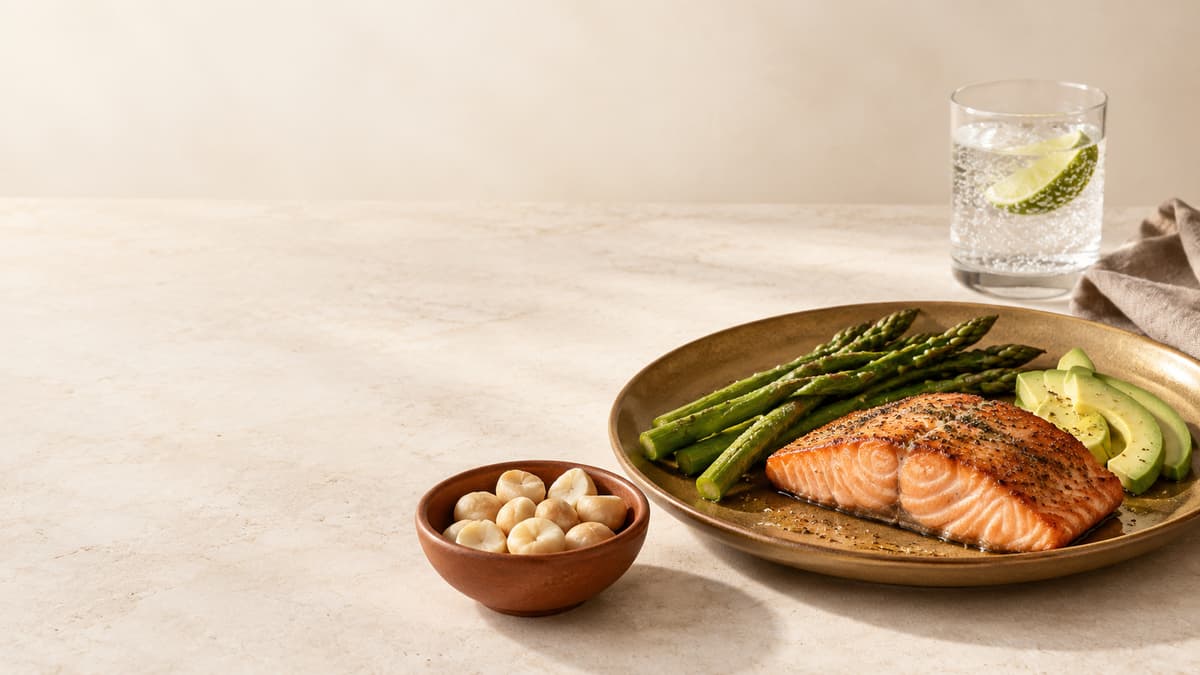
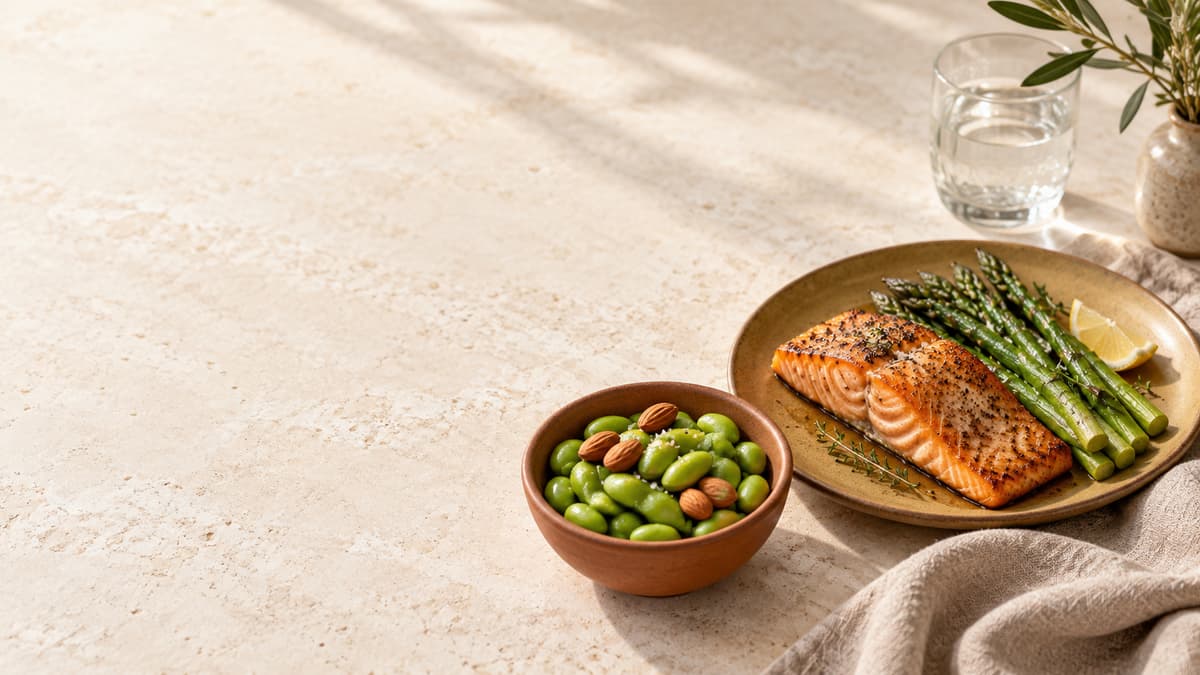
Maintaining body composition during travel requires a deliberate focus on protein to support energy and recovery. High-protein choices—such as eggs, lean meats, fish, and legumes—help maintain satiety and protect lean muscle mass when exercise routines are disrupted. For those looking to enhance fat mass loss while maintaining strength, combining a high-protein diet with specific interventions can be effective. A 2023 systematic review and meta-analysis in Nutrients found that the combination of resistance exercise and creatine supplementation can be effective for managing fat mass in adults under 50 (Nutrients, 2023). Integrating these elements into a travel routine ensures that your body composition remains stable even when your environment is chaotic.
Manage sodium and free sugar intake strategically
Travel foods, especially those found in airports and hotels, are notoriously high in sodium and free sugars. High sodium leads to water retention and increased blood pressure, while free sugars cause insulin spikes and subsequent energy crashes. To counter this, request that sauces be served on the side and opt for water or sparkling water over sweetened beverages. By reducing the intake of these additives, you reduce systemic inflammation and support better metabolic health. This strategic management allows for healthy fat loss and sustainable body composition changes without the need for a rigid, calorie-counting regime that is impossible to maintain on the road.
Structure meal timing for energy stability
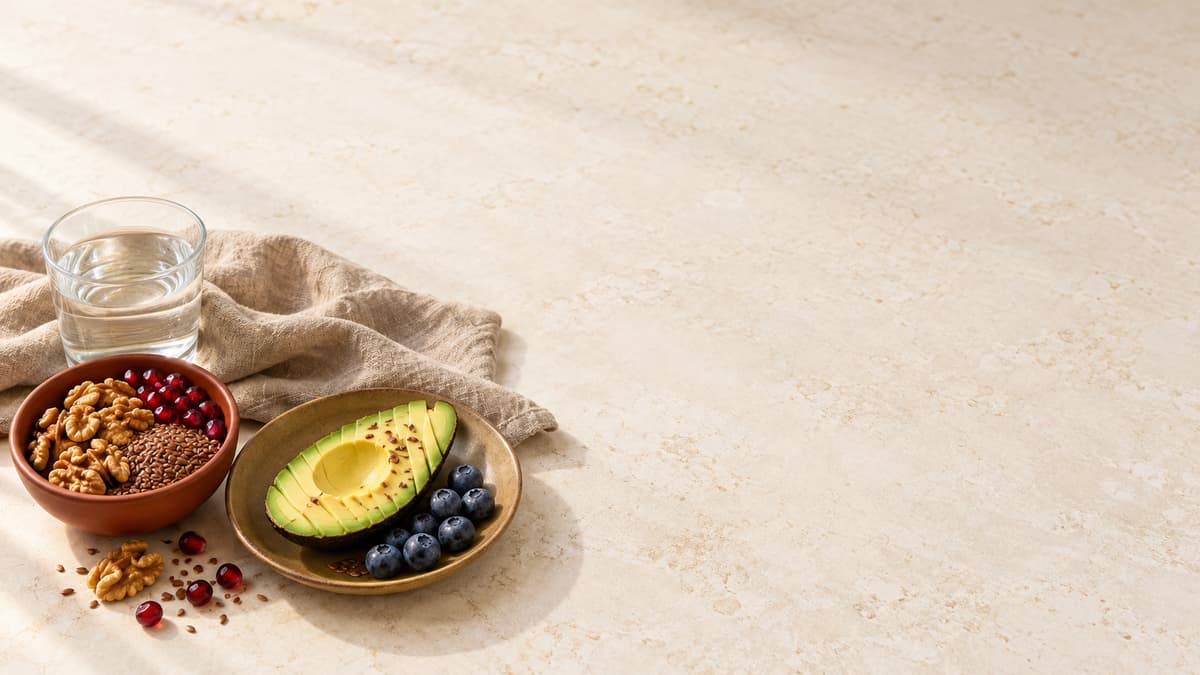
Erratic eating schedules during flights and meetings lead to blood sugar instability and overeating during late-night hotel stays. Establish a consistent window for eating and prioritize a high-protein breakfast to set the metabolic tone for the day. When schedules are unpredictable, having small, unprocessed snacks—like raw nuts or seeds—prevents the hunger-driven decision to choose ultra-processed options. This stability is key for active adults who need consistent energy for performance and recovery, ensuring that the brain remains fueled and the body stays in a state of metabolic efficiency.
Hydrate to support cognitive function and digestion
Dehydration is often mistaken for hunger and is exacerbated by the dry air in airplane cabins and the high sodium levels of travel food. Water is the most critical element for maintaining the metabolic processes that drive fat loss and energy production. Prioritize hydration throughout the day to support digestion and cognitive performance. Proper hydration helps the kidneys flush excess sodium and maintains the blood volume necessary for optimal oxygen delivery to the brain and muscles, which is essential for maintaining high levels of performance during long trips.
Common Travel Nutrition Questions
How can a busy adult improve body composition without a strict diet?
A busy adult can improve body composition by focusing on sustainable changes rather than restrictive diets. This involves prioritizing minimally processed foods, maintaining a balance of adequacy and diversity in nutrients, and combining protein-rich nutrition with resistance exercise to support energy, recovery, and lean muscle maintenance.
What are the best food choices for airport dining?
The best choices are minimally processed and unprocessed foods. Look for salads with oil and vinegar on the side, grilled chicken or fish, fresh fruit, and raw nuts. Avoid ultra-processed snacks high in free sugars and sodium, which can lead to energy crashes and water retention.
How do I handle dinners without ruining my nutrition?
Apply the principles of moderation and balance. Choose a lean protein and a double serving of vegetables. Request that sauces be served separately to control sodium and unhealthy fat intake, and opt for water over sugary cocktails or sodas to maintain metabolic stability.
Can I still lose fat if my travel schedule is chaotic?
Yes, healthy fat loss is possible without another restrictive diet by focusing on food quality. By prioritizing unprocessed foods and maintaining a variety of nutrient-dense options, you can achieve sustainable body composition changes even with an irregular schedule.
Why do I feel so tired after a trip despite eating enough?
Feeling tired is often a result of a diet high in ultra-processed foods and free sugars, which cause energy fluctuations. Ensuring your diet is based on adequacy, balance, and minimally processed foods provides the stable energy and recovery needed for high performance.
How this connects to the rest of the cluster
- What Should Men Eat for More Energy During the Workday and at Business Dinners?
- Is It Too Early to Think About Longevity Nutrition in My 30s? Building a Heart Healthy Eating Pattern Now
- Overcoming Mid-Week Energy Drops and Slow Muscle Recovery
- Which Blood Tests Are Useful for Healthy Aging and Choosing Supplements for Healthy Aging?
References
Resistance Exercise and Creatine Supplementation on Fat Mass in Adults < 50 Years of Age: A Systematic Review and Meta-Analysis (Nutrients, 2023) — https://pubmed.ncbi.nlm.nih.gov/37892421/
Ultraprocessed or minimally processed diets following healthy dietary guidelines on weight and cardiometabolic health: a randomized, crossover trial (Nature medicine, 2025) — https://pubmed.ncbi.nlm.nih.gov/40760353/