Common Risks and Mistakes in Fat Loss: How to Avoid Muscle Loss
Part of How to Lose Fat Without Losing Muscle: The Role of Protein Satiety
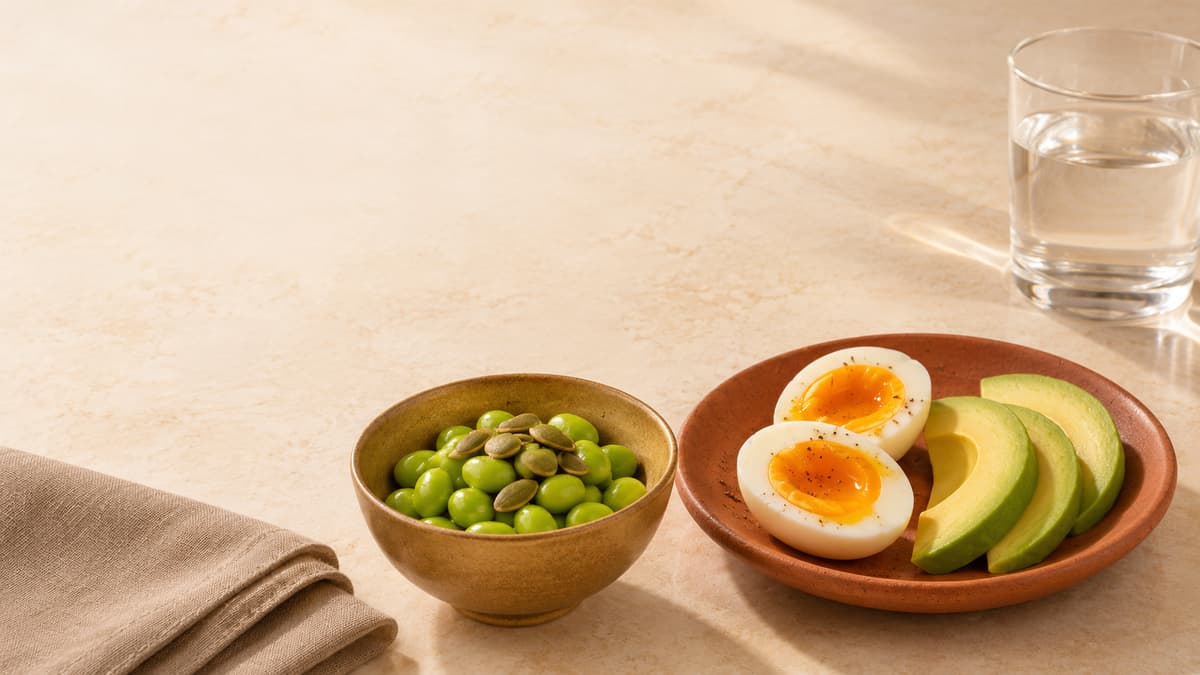
Common weight loss mistakes often involve aggressive calorie restriction and the elimination of entire food groups, which can lead to the loss of lean muscle mass and decreased energy. The most effective approach focuses on losing fat while protecting lean muscle, energy, and overall health through steady, sustainable change.
Why do people lose muscle during weight loss?
Muscle loss can be associated with insufficient energy or protein to maintain lean tissue during a caloric deficit, often exacerbated by a lack of resistance training or overly restrictive dieting rules.
When individuals follow one-size-fits-all rules, they risk a slower metabolic response or difficulty maintaining weight. A 2025 randomized clinical trial published in Nutrients highlighted that combining a hypocaloric diet with resistance training is a key factor in managing body composition, particularly in those dealing with dynapenic obesity, to prevent the loss of functional muscle mass https://pubmed.ncbi.nlm.nih.gov/39940276/.
What are the most common weight loss mistakes?
The most frequent mistakes include cutting out entire food groups by default, pursuing rapid weight loss over sustainable change, and ignoring the distinction between scale weight and body composition.
- Restrictive Food Rules: Applying generic rules that mandate cutting carbs or specific food groups regardless of individual needs.
- Over-prioritizing the Scale: Focusing only on the number on the scale rather than prioritizing body composition vs scale weight.
- Ignoring Sustainability: Attempting drastic changes that cannot be maintained long-term, increasing the risk of weight regain.
How can I protect my metabolism while losing fat?
Protecting your metabolism requires a personalized approach that prioritizes protein intake and strength-based activity to ensure that weight loss comes from fat stores rather than muscle tissue.
Sustainable fat loss is not about deprivation but about strategic nutrition. For instance, protein intake can support satiety and help maintain energy levels associated with restrictive diets. Furthermore, incorporating specific nutrients may support health markers; a 2024 RCT in Nutrients explored how the ingestion of 2'-Fucosyllactose can influence weight loss and health markers https://pubmed.ncbi.nlm.nih.gov/39408354/.
Is it possible to lose a significant amount of weight sustainably?
Yes, significant weight loss is possible when the process is managed through a sustainable routine that avoids extreme restrictions and focuses on long-term maintenance.
Specific personal stories demonstrate that substantial changes are achievable, such as individuals who have lost nearly 30 kilograms (approximately 66 pounds) by moving away from restrictive patterns. The goal is to establish a routine that you can maintain indefinitely, ensuring that the loss is primarily fat while preserving the lean muscle necessary for metabolic health.
Keep exploring
To better understand how to manage your appetite, read about using high fiber foods for appetite control during busy periods.
If you struggle with emotional triggers, explore how to stop emotional eating while losing fat.
For practical tips on dining, see how much protein is needed to feel full while eating out.
Finally, learn more about why weight returns after dieting and how to prevent it.
How this connects to the rest of the cluster
References
Effects of Human Milk Oligosaccharide 2'-Fucosyllactose Ingestion on Weight Loss and Markers of Health (Nutrients, 2024) — https://pubmed.ncbi.nlm.nih.gov/39408354/
Effects of a Hypocaloric Diet Plus Resistance Training with and Without Amino Acids in Older Participants with Dynapenic Obesity: A Randomized Clinical Trial (Nutrients, 2025) — https://pubmed.ncbi.nlm.nih.gov/39940276/
What are the most common risks and mistakes when trying to lose fat without losing muscle?
The primary risks include adopting one-size-fits-all restrictive diets, cutting entire food groups, and focusing on rapid scale weight loss, all of which can lead to muscle wasting and difficulty maintaining weight.
Should I cut out all carbohydrates to lose fat?
Not by default. Nutritional recommendations should be based on individual needs and preferences rather than a universal rule requiring the elimination of carbs.
How do I know if I am losing muscle instead of fat?
Monitoring changes in body composition and strength levels can provide insights into whether weight loss is coming from muscle or fat.
Why is sustainable change better than rapid weight loss?
Steady, sustainable change is easier to maintain long-term and may help reduce the likelihood of rapid weight regain once a strict diet ends.
Does resistance training help preserve muscle during a diet?
Yes, combining a calorie-controlled diet with resistance training helps signal the body to preserve lean muscle mass while utilizing fat for energy.